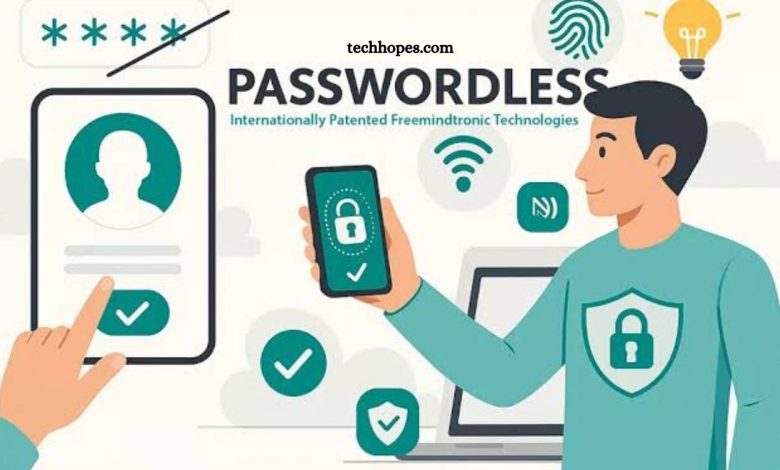
Online security continues to evolve as cyber threats become more advanced. Traditional passwords have protected digital accounts for decades, yet weak passwords, stolen credentials, phishing attacks, and repeated password reuse create serious security risks. Many users struggle to remember multiple passwords, while businesses face growing challenges protecting sensitive information.
Passwordless login is emerging as a modern solution to these problems. This technology allows users to access online accounts without entering traditional passwords. Instead, it uses passkeys, fingerprint scans, facial recognition, security keys, or trusted devices to verify identity. As more organizations adopt passwordless authentication, digital security is moving toward a safer and more convenient future.
Read More: Smart Glasses Are Bringing New Attention to Wearable Technology
What Is Passwordless Login?
Passwordless login is an authentication method that allows users to access digital services without creating or entering a conventional password. Instead of relying on a secret combination of letters, numbers, and symbols, the system verifies identity through alternative authentication methods.
Common passwordless options include fingerprints, facial recognition, one-time verification codes, hardware security keys, and passkeys. Among these options, passkeys have gained significant attention because they use cryptographic technology to provide strong protection against phishing and credential theft. Users can often sign in with a simple biometric scan or device unlock.
How Passwordless Authentication Works
Passwordless authentication uses different technologies to confirm that a person has permission to access an account. During registration, a service may connect an account with a trusted device, biometric authentication method, or cryptographic credential. During login, the system checks the authentication request before granting access.
Passkeys use public-key cryptography to improve security. A private key remains protected on the user’s device, while the associated public key is stored by the online service. When a user attempts to sign in, the device proves possession of the private key without sending it to the service. This process reduces the risks associated with stolen passwords and fraudulent login pages.
Why Passwordless Login Is Becoming Popular
Stronger Protection Against Cyberattacks
Traditional passwords remain a common target for cybercriminals. Attackers use phishing emails, fake websites, credential stuffing, and automated guessing techniques to compromise accounts. Even a strong password can become dangerous when a user enters it on a fraudulent website or a service suffers a data breach.
Passwordless authentication, particularly passkeys, helps address these weaknesses. Passkeys are designed to work with the legitimate website or application associated with the credential, making them resistant to many phishing attacks. Because users do not need to type or share a conventional password, attackers have fewer opportunities to steal login credentials.
A Faster and Easier Login Experience
Remembering different passwords for email accounts, shopping platforms, banking services, and workplace applications can become frustrating. Password managers help, but some users still experience forgotten passwords, repeated verification requests, and account recovery problems.
Passwordless login simplifies this experience. Users may authenticate with a fingerprint, facial scan, device PIN, or security key, depending on the service. This approach can reduce login time, eliminate many password reset requests, and make digital platforms easier to use.
The Role of Passkeys in Modern Security
Passkeys are becoming an important part of passwordless authentication because they combine convenience with strong cryptographic protection. They can be stored on compatible smartphones, computers, password managers, or other supported devices. Depending on the ecosystem, users may also synchronize passkeys securely across their devices.
Unlike traditional passwords, passkeys are not shared with websites during authentication. The private key remains protected, and the service verifies a cryptographic response instead. This design significantly reduces exposure to phishing and password database theft.
Major technology platforms and online services have introduced passkey support, helping increase awareness and adoption. As compatibility improves, passkeys could become a standard option for accessing personal accounts, business applications, and digital services.
Benefits of Passwordless Login for Businesses
Reduced Security Risks
Businesses manage valuable information, including customer records, employee details, financial data, and confidential documents. Compromised passwords can provide attackers with an entry point into company systems, potentially leading to data breaches and operational disruption.
Passwordless authentication can reduce dependence on vulnerable passwords and strengthen identity verification. Phishing-resistant methods, such as passkeys and properly configured hardware security keys, are particularly useful for protecting employee accounts. Organizations can also combine passwordless authentication with access controls, device management, and continuous security monitoring.
Lower IT Support Costs
Password-related support requests create additional work for IT teams. Employees who forget credentials or become locked out of accounts may require assistance from support staff, affecting productivity and increasing operational expenses.
Passwordless systems can reduce these requests by removing traditional passwords from supported login processes. Employees can authenticate through approved devices or security keys, while administrators spend less time managing password resets. However, organizations must still maintain secure procedures for device replacement, account recovery, and employee access changes.
Challenges of Passwordless Authentication
Despite its advantages, passwordless login is not completely risk-free. Different authentication methods offer different levels of protection, and a poorly designed implementation can introduce new vulnerabilities. For example, SMS verification codes may be exposed to SIM-swapping attacks, while compromised devices or insecure account recovery processes can undermine otherwise strong authentication.
Another challenge involves compatibility and user adoption. Some websites, applications, older systems, and workplace tools may not support modern passwordless standards. Organizations may need to upgrade infrastructure, train employees, and provide alternative authentication options during the transition.
Device loss also requires careful planning. Users need a secure way to regain access when a phone, computer, or security key becomes unavailable. Strong recovery procedures, backup credentials, and clear support policies help prevent attackers from exploiting the recovery process.
Passwordless Login vs. Traditional Passwords
Traditional passwords depend on users creating, remembering, and protecting secret strings of characters. Their security often depends on password length, uniqueness, storage practices, and resistance to phishing. Password managers and multifactor authentication can improve protection, but password-related risks remain.
Passwordless authentication replaces or reduces reliance on conventional passwords by using alternative identity verification methods. Passkeys provide a particularly strong option because cryptographic authentication can prevent credentials from being reused on fraudulent websites.
However, not every passwordless method offers the same protection. Email codes and SMS verification may be convenient but can remain vulnerable to account takeover techniques. Businesses should prioritize phishing-resistant authentication rather than assuming every password-free login method provides equal security.
Frequently Asked Questions
What Is Passwordless Login?
Passwordless login allows users to access accounts without traditional passwords. It uses passkeys, biometrics, or security keys to verify identity.
How Does Passwordless Authentication Work?
It verifies users through trusted devices, fingerprints, facial recognition, or cryptographic credentials instead of conventional passwords.
Is Passwordless Login More Secure Than Passwords?
Yes, methods such as passkeys offer stronger protection against phishing, password theft, and credential-based attacks.
What Are Passkeys in Online Security?
Passkeys are digital credentials that use cryptographic technology to authenticate users without sharing traditional passwords with websites.
Can Passwordless Authentication Be Hacked?
Yes, compromised devices, stolen sessions, and weak account recovery procedures can still create security risks.
What Are the Benefits of Passwordless Login for Businesses?
Businesses can improve account security, reduce password reset requests, simplify employee access, and potentially lower IT support costs.
Will Passwords Disappear in the Future?
Passwords may become less common as passwordless technology expands, although many websites and older systems will continue supporting them.
Conclusion
Passwordless login is transforming online security by offering a safer, faster, and more convenient way to access digital accounts. Technologies such as passkeys, fingerprint recognition, facial recognition, and hardware security keys help reduce password-related risks and protect users against phishing attacks. Although challenges involving device compatibility and account recovery remain, passwordless authentication represents an important step toward stronger cybersecurity.