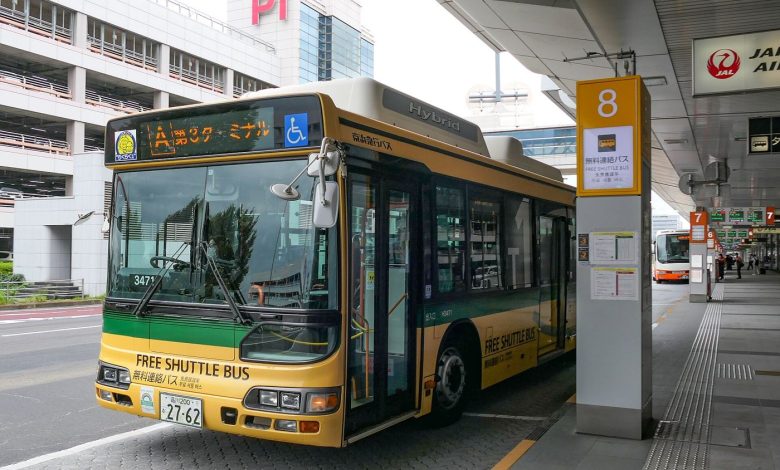
Airports are expanding shuttle bus services as passenger numbers recover, with more travellers looking for reliable and affordable ways to reach terminals without driving or paying for expensive parking. Shuttle services connect car parks, hotels, train stations and nearby towns to the airport, and operators say demand has grown sharply as leisure and business travel return to pre-pandemic levels. Some airports are adding routes, increasing frequency and introducing electric buses to cut emissions, while others are working with local transport authorities to coordinate timetables with arriving flights. For passengers, a good shuttle service can make the difference between a stressful journey and a smooth one, particularly for early morning or late night flights when other transport options are limited. Airport managers say the investment also helps reduce congestion around terminals, since fewer cars need to drop off passengers at the kerb.
What the Evidence Shows
The expansion is part of a wider rethink of how passengers reach airports. Several airports are redesigning drop-off areas to separate buses, taxis and private cars, easing the bottlenecks that build up at peak times. Real-time tracking apps now let travellers see exactly when the next shuttle will arrive, and some services offer booking in advance with guaranteed seats during busy periods. Operators are also investing in accessibility, with low-floor buses, space for wheelchairs and assistance for passengers with reduced mobility. Environmental goals are shaping the fleets, with electric and hybrid buses replacing diesel vehicles on many routes. Challenges remain, including driver shortages and the cost of running services through the night, but airport managers say the demand is clear. As passenger numbers continue to rise, shuttle services are becoming a central part of the airport experience rather than an afterthought. Reporting and analysis from sources such as Reuters track the same developments, and specialists following airport shuttle services say the direction is now consistent across independent lines of evidence.
The Wider Context
The wider context is a public conversation conducted at a speed institutions were not built for. Developments around airport shuttle services are announced, contested and revised within a single news cycle, and the officials involved have learned to publish evidence alongside claims so that scrutiny can actually occur. Trust, the polling suggests, follows that transparency more than it follows confidence.
What Happens Next
What happens next in the story of airport shuttle services will be decided in the places where it is being implemented, measured and argued about in public. The officials and organisations involved have committed to publishing progress data, and that commitment gives residents, businesses and journalists something firmer than promises to judge. The next milestones are dated, which means they can be checked. You can follow related developments in our coverage of news.
There is a practical lesson in all of this for readers deciding what to do today. Start with the verified facts, be wary of anyone promising certainty, and prefer reversible steps while the evidence is still developing. Circumstances differ by country, income and personal situation, so general guidance should always be weighed against your own context before you act on it in any significant or lasting way.