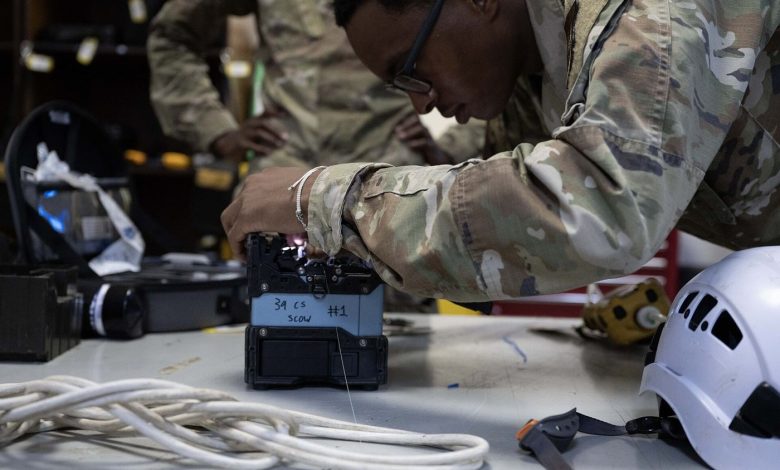
Getting fast broadband to a street is only half the job. In older apartment blocks, the final stretch from the pavement to each front door can be the hardest part of the whole installation. Cables must pass through shared hallways, narrow risers and walls that were never designed for modern wiring. Installation teams now survey each building first, agreeing tidy routes with residents and landlords before any drilling begins. Slim fibre cables, far thinner than the copper lines they replace, can follow corners and skirting boards with surprisingly little disruption. For households inside, the reward is a connection that finally matches the speed advertised outside. Booking the work fairly matters too. Building managers often arrange installations floor by floor, so neighbours share a single visit rather than facing weeks of separate appointments. Installers photograph the finished routing for the building’s records, showing exactly where cables run behind panels and through cupboards.
What the Evidence Shows
Good installations depend on small details. Technicians test every joint where fibres are fused together, because a poor splice can quietly reduce performance for years. They also label each connection carefully, so future repairs do not require tracing cables through the entire building. Residents increasingly ask for the router position to be planned rather than guessed, placing it where the wireless signal reaches bedrooms and home offices evenly. As more blocks are completed, installers are building a library of solutions for common layouts. That experience is steadily shortening appointment times and reducing the need for return visits to fix avoidable problems. Once connected, households notice the difference in ordinary moments: video calls that stay sharp, films that start instantly and several people working or studying online at once without arguments about bandwidth. Installers say the most satisfying visits end with a speed test at the kitchen table, where the result finally matches the promise. For older blocks once written off as too difficult, that moment marks a genuine change. Reporting and analysis from sources such as Wired track the same developments, and specialists following fibre installation say the direction is now consistent across independent lines of evidence.
The Wider Context
The wider context is an industry learning to ship capability and restraint together. Products built around fibre installation now launch with safety evaluations, usage data and rollback plans as standard, because enterprise buyers and regulators ask for them in the first meeting. Companies that treated those questions as friction are discovering they have become the purchase criteria.
What Happens Next
What happens next for fibre installation depends less on another breakthrough than on the unglamorous work of reliability, pricing and support. The buyers evaluating it now are not enthusiasts; they are operators with budgets and auditors, and their checklists will decide the timeline. On the evidence of the current pilots, the technology has earned the right to be judged by them. You can follow related developments in our coverage of technology.
None of this will be settled by a single announcement, study or product launch. The pattern to watch is accumulation: independent confirmations, honest reporting of failures and steady improvement in the underlying numbers. Readers who follow those signals, rather than the loudest claim of the week, will understand this subject better than most of the commentary surrounding it suggests is possible.