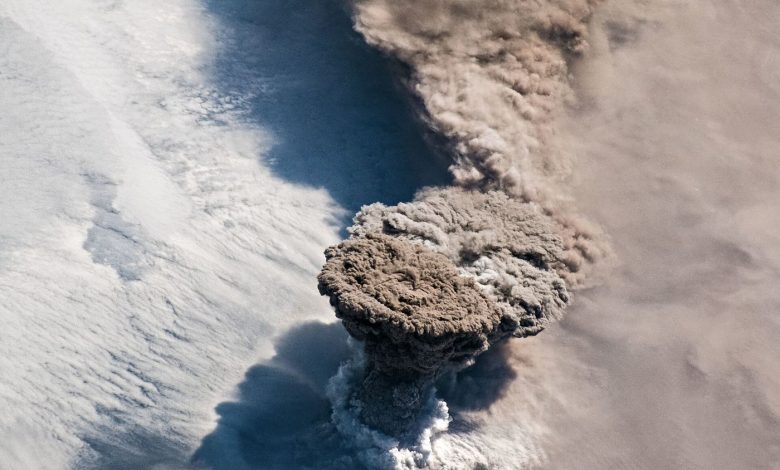
Sensors installed on island volcanoes are giving earlier warning of eruptions this year, as monitoring networks learn to read the small ground movements, gas changes and tremors that often precede ash clouds and lava flows. Volcanologists place instruments on the flanks of active peaks, measuring how the ground swells as magma moves below, sampling gases from vents and listening for the distinctive vibrations that signal rock cracking deep underground. The readings stream continuously to observatories, where automated systems flag unusual patterns and scientists judge whether they justify raising an alert for the island communities living in the volcano’s shadow. Earlier warning changes what an eruption means for those communities, turning a sudden evacuation into an orderly one, giving farmers time to move animals, ports time to clear harbours and airlines time to reroute flights around ash that can damage jet engines far from the volcano itself. Island settings add difficulty, because instruments must survive salt air, storms and ash fall, powered by solar panels and batteries in places a maintenance team may reach only by boat or helicopter. Despite those hardships, the networks have steadily improved, and several recent eruptions were anticipated days ahead rather than minutes, a difference residents describe as everything when deciding what to carry and where to go for safety.
What the Evidence Shows
Scientists are careful to explain that earlier warning is not exact prediction, because volcanoes can stir without erupting and occasionally erupt with shorter notice than anyone would wish. Alert levels therefore use careful language, describing likelihood and possible scale, and island authorities practise their responses so a raised alert triggers rehearsed steps instead of improvisation under stress. Ash forecasting has improved alongside the ground sensors, with weather models predicting where a plume will drift so schools, clinics and water supplies downwind can prepare for gritty, irritating fallout. After each eruption, teams repair and upgrade the network, studying which instruments gave the clearest signals and which failed in the heat or ash, so the next warning can be sharper still. Local observers remain part of the system, reporting new vents, unusual smells or changed springs that instruments might miss between stations. The goal shared by scientists and islanders is modest and vital, enough reliable warning that a volcano’s bad day becomes a managed emergency rather than a disaster, protecting lives on islands that have coexisted with fire mountains for generations and will continue to do so. Schoolchildren on the islands learn the alert levels alongside the science behind them, growing up with the volcano as a studied neighbour rather than a mysterious threat nobody discusses openly at home. Reporting and analysis from sources such as National Science Foundation track the same developments, and specialists following sensors give earlier warning on island volcanoes say the direction is now consistent across independent lines of evidence.
The Wider Context
The wider context is a research landscape in which replication and open data now decide reputations. Findings connected to sensors give earlier warning on island volcanoes are being checked by independent groups with shared datasets, and the teams involved publish their methods in full so rivals can test every step. That discipline is slower than a headline cycle, but it is why results in this area increasingly survive first contact with scrutiny.
What Happens Next
What happens next in the story of sensors give earlier warning on island volcanoes will be decided by follow-up work already under way: larger samples, longer observation and instruments that have not yet come online. The researchers involved are unusually united on one point, that the current results justify the next investment of time and money. Readers will not have to wait long for the first tests of that claim. You can follow related developments in our coverage of science.