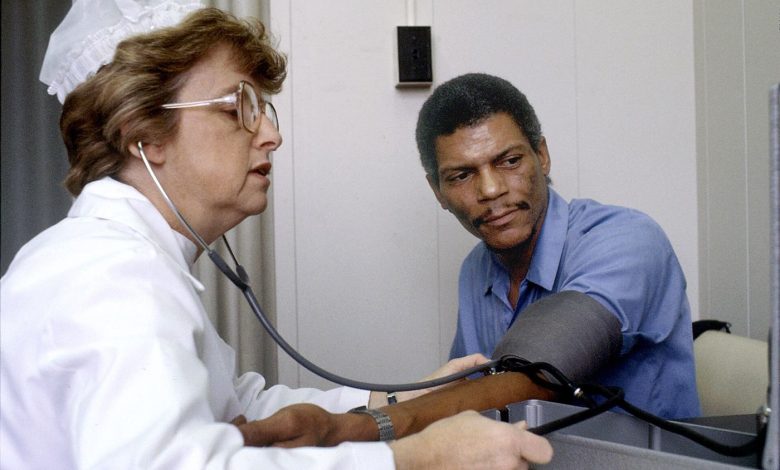
A single blood pressure reading at a busy appointment tells only part of the story. Readings can rise because of rushing, stress or the unfamiliar setting of a clinic, which is why home checks, done calmly and correctly, are increasingly used to build a clearer picture over several days. Public health guidance generally describes a simple method: sit quietly for a few minutes, rest your arm on a table at heart level, use a correctly sized cuff on bare skin, and avoid talking during the measurement. Taking two readings a minute apart, morning and evening for several days, gives a pattern that is far more useful than one hurried number. Keeping a dated written record, or a simple phone note, allows a clinician to see trends and discuss them properly at a review. This article is general information only and cannot interpret anyone’s readings. Anyone who records very high numbers, or who feels unwell with symptoms such as chest pain or breathlessness, should seek urgent professional advice rather than waiting. For everyone else, home monitoring is best seen as teamwork: careful measurements at home, shared honestly, help professionals make better-informed decisions over time.
What the Evidence Shows
Choosing and using a monitor well makes a real difference to accuracy. Devices validated for home use, with a cuff that fits the upper arm properly, are generally preferred over improvised methods, and pharmacies can often advise on fit. It helps to measure at roughly the same times each day, before food and medication where a clinician has suggested that timing, and to note anything unusual such as poor sleep or extra caffeine. Bringing the monitor itself to an appointment can be useful, so staff can check technique and compare a home reading with a clinic one. Households can support each other by keeping the record book in one place and resisting the urge to retake readings repeatedly when a number looks surprising; one extra check after a rest is calmer and more reliable. Over months, the value is in the trend, not in daily fluctuations. A steady set of records turns a vague worry into a clear conversation, and helps both patients and clinicians decide whether reassurance, lifestyle discussion or further investigation is the sensible next step. Reporting and analysis from sources such as National Institutes of Health track the same developments, and specialists following home blood pressure checks say the direction is now consistent across independent lines of evidence.
The Wider Context
The wider context is a health system trying to move from treating illness late to preventing it early, against budgets that reward the opposite. Evidence around home blood pressure checks is being weighed by guideline committees that ask two questions in order: does it work, and can ordinary services actually deliver it at scale. Many good ideas pass the first test and stall on the second.
What Happens Next
What happens next for home blood pressure checks depends on the slow machinery of guidelines, funding and training catching up with the evidence. Patients asking about it today should expect honest answers that include uncertainty, and clinicians say a service that explains what is not yet known earns more trust than one that oversells. The research pipeline, at least, is moving in the right direction. You can follow related developments in our coverage of health.
None of this will be settled by a single announcement, study or product launch. The pattern to watch is accumulation: independent confirmations, honest reporting of failures and steady improvement in the underlying numbers. Readers who follow those signals, rather than the loudest claim of the week, will understand this subject better than most of the commentary surrounding it suggests is possible.