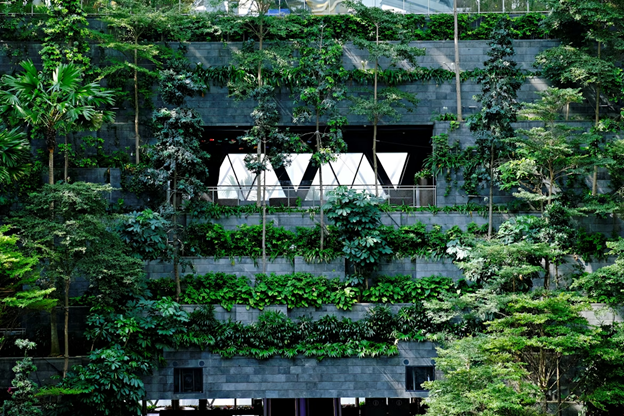
Are you concerned about how carbon emissions and global energy use are reshaping our planet? Extreme weather and rising temperatures have become the main issues across the country. However, architects play a role in responding to the climatic crisis. They aim to develop climate-resilient structures that provide significant value in the future.
The best architects have started rethinking traditional approaches to create a space that removes environmental challenges. BY Projects Architecture, for example, is a reputable company that wants to design a greener future for the city.
How Do Architectural Projects Affect the Environment?
Residential and commercial buildings are responsible for a significant amount of:
- Global energy usage
- Carbon emissions
- Resource depletion
- Waste generation
Modern architects want to show their responsibility for protecting the natural environment. They have the potential to create a liveable and comfortable space. Moreover, they ensure that their innovative architectural designs are accessible.
Different Ways to Respond to Environmental Challenges
Top-rated architects choose various approaches to overcome the climatic crisis.
Alternative Construction Materials
Resilience is always a priority for constructing a building. But, architects turn to alternative materials to build a structure without environmental impact.
For instance, professionals choose materials with seismic resistance to build houses in disaster-prone areas. They select durable materials with strong thermal properties.
Go for Sustainable Materials
Architects prioritise materials that do not cause significant environmental impact. They look for sustainable options that alleviate carbon footprints during construction. The materials that limit waste production in your project are:
- Recycled steel
- Concrete
- Low-VOC paints
- Responsibly sourced wood
These materials improve your building’s longevity without affecting the indoor air quality.
Design Energy-Efficient Buildings
Higher energy usage in buildings is the main cause of climatic fluctuations. However, the best architects solve the problem by implementing different strategies:
- Passive design that optimises ventilation and the flow of natural light
- Renewable energy systems, such as geothermal heating and solar panels
- Energy-efficient windows and High-performance insulation materials
These features will reduce energy usage and utility costs every month.
Prevent the Impact of Transportation
Transportation is another significant factor in constructing a residential or commercial building. As traditional transportation systems cause emissions, architects manage it by:
- Constructing structures close to the public transit
- Encouraging mixed-use developments to avoid long commutes
- Creating pedestrian-friendly environments
Develop a Climate-Resilient Structure
Flood and heatwaves are extreme weather issues that cause significant challenges. To combat the problem, top architects develop flood-resistant foundations. They try to create elevated structures to prevent water issues. Also, their heat-reflective materials keep the building cool during summer. Some architects also recommend stormwater management solutions that reduce the impact of natural disasters. Thus, modern buildings can withstand extreme environmental stress and keep occupants safe.
Conclusion
Professional architects have special skills for addressing environmental and climatic challenges. They focus on energy efficiency and sustainable materials while creating an architectural plan. The experts create beautiful and functional buildings that cause no environmental issues. So, hire reliable architects from a reputable company to start your next project!