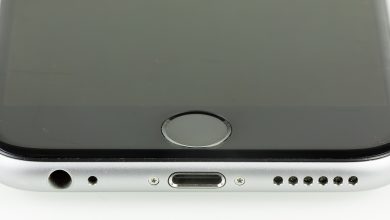
Mobile phones in remote valleys, open ocean and disaster zones have begun exchanging short text messages with satellites passing overhead, using hardware no different from the handset in an ordinary pocket. Recent field tests by regulators and rescue services connected unmodified phones to low-orbit satellites for emergency messaging, demonstrating that a person without any terrestrial signal can still send a location and a request for help. The technology works by treating the satellite as a distant, fast-moving phone mast, with software compensating for the signal delay and the rapid handover as each satellite crosses the sky in minutes. Coverage remains limited to brief text exchanges rather than calls or data, and messages can take minutes to deliver when satellites are sparse. Even so, emergency planners describe the capability as the most significant change to wilderness and disaster communication in a generation.
What the Evidence Shows
Commercial rollouts are proceeding cautiously, shaped by spectrum rules and by the need to avoid interfering with ordinary mobile networks. Regulators in several countries have authorised satellite texting for emergencies first, with consumer messaging expected to follow once capacity grows. Constellation operators are launching satellites with larger antennas designed specifically to hear the faint signals of standard phones, a far harder task than serving dedicated satellite handsets. Mountain rescue teams involved in trials say the real value lies in the first message: a precise location sent early turns a multi-day search into a targeted rescue. Battery life, tree cover and steep terrain still limit reliability, and officials stress that satellite messaging complements rather than replaces beacons and careful planning. The next phase of testing will examine weather alerts broadcast to every phone in a threatened area. That caution reflects hard lessons learned from earlier satellite ventures. Reporting and analysis from sources such as Wired track the same developments, and specialists following direct to phone satellite messaging services say the direction is now consistent across independent lines of evidence.
The Wider Context
The wider context is an industry learning to ship capability and restraint together. Products built around direct to phone satellite messaging services now launch with safety evaluations, usage data and rollback plans as standard, because enterprise buyers and regulators ask for them in the first meeting. Companies that treated those questions as friction are discovering they have become the purchase criteria.
What Happens Next
What happens next for direct to phone satellite messaging services depends less on another breakthrough than on the unglamorous work of reliability, pricing and support. The buyers evaluating it now are not enthusiasts; they are operators with budgets and auditors, and their checklists will decide the timeline. On the evidence of the current pilots, the technology has earned the right to be judged by them. You can follow related developments in our coverage of technology.
None of this will be settled by a single announcement, study or product launch. The pattern to watch is accumulation: independent confirmations, honest reporting of failures and steady improvement in the underlying numbers. Readers who follow those signals, rather than the loudest claim of the week, will understand this subject better than most of the commentary surrounding it suggests is possible.