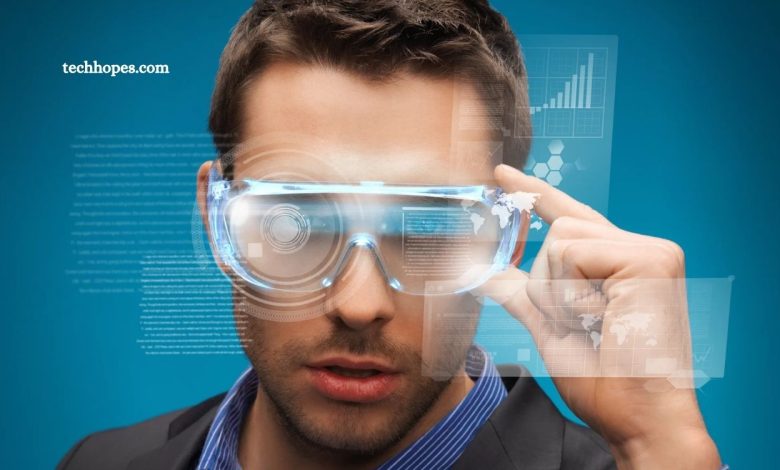
Smart glasses are gaining attention as a new generation of wearable technology transforms how people interact with digital information. Combining stylish designs, hands-free controls, built-in cameras, audio features, and artificial intelligence (AI), these devices offer a practical alternative to constantly checking smartphones. As technology companies continue to improve their capabilities, smart glasses are becoming an important part of conversations about the future of everyday technology.
Unlike traditional eyewear, smart glasses can connect users with digital services while allowing them to stay focused on their surroundings. From answering calls and listening to music to capturing photos and accessing AI-powered assistance, these devices bring several useful features into a familiar accessory. Growing interest in smart glasses also highlights a wider shift toward technology that feels more natural, convenient, and accessible.
Read More: AI Spending Boom Raises New Questions About Tech Industry Growth
What Are Smart Glasses?
Smart glasses are wearable electronic devices designed to combine traditional eyewear with digital technology. Depending on the model, they may include microphones, speakers, cameras, touch controls, voice assistants, and small displays. Some models focus on communication and entertainment, while advanced versions can display digital information directly within the user’s field of view.
Unlike virtual reality headsets, most smart glasses are designed for everyday use without completely blocking the real world. Certain models provide augmented reality (AR) features, allowing digital content to appear alongside physical surroundings. Other models prioritize lightweight construction, discreet controls, and practical functions without requiring a built-in screen.
Why Smart Glasses Are Becoming More Popular
One major reason behind the growing popularity of smart glasses is convenience. Smartphones offer access to countless digital services, but using them often requires looking down at a screen or holding a device. Smart glasses can reduce these interruptions by allowing users to interact with selected features through voice commands, gestures, or built-in controls.
Another important factor is improved design. Earlier wearable devices sometimes looked bulky or overly technical, making them less attractive for everyday use. Modern smart glasses increasingly resemble conventional eyewear, helping users incorporate technology into their daily routines without making major changes to their personal style.
Technology companies are also investing in artificial intelligence, better cameras, improved batteries, and more natural voice interactions. These developments are helping smart glasses move beyond experimental gadgets and become useful tools for communication, content creation, and everyday assistance.
Artificial Intelligence Is Changing Smart Glasses
Artificial intelligence is becoming one of the most important features of modern smart glasses. AI-powered assistants can help users answer questions, identify objects, understand information, and complete simple tasks through voice interactions. Depending on the device and available software, users may also receive summaries, translations, or contextual assistance.
For example, someone visiting a new city could use compatible smart glasses to ask for information about nearby landmarks or request help understanding a foreign language. A content creator could capture a short video without holding a smartphone, while a busy professional might use voice commands to manage selected tasks while moving between meetings.
However, AI capabilities differ significantly between devices. Some smart glasses rely on a connected smartphone or cloud-based services, while others offer more independent functions. Internet access, software compatibility, privacy settings, and subscription requirements can also affect the overall experience.
Everyday Uses of Smart Glasses
Smart glasses are attracting interest because they can support a wide range of everyday activities. Communication is one of the most practical uses, allowing users to answer calls, listen to messages, or interact with voice assistants without constantly reaching for their phones. Built-in speakers can also provide music and audio instructions while keeping the user’s ears open to surrounding sounds.
Photography and video recording represent another popular application. Hands-free cameras allow users to capture everyday moments, travel experiences, and outdoor activities from a natural first-person perspective. This approach can be particularly useful for people who want to record experiences without interrupting what they are doing.
Smart glasses may also support navigation, accessibility, education, and workplace productivity. Depending on the model, users might receive walking directions, access translated text, follow step-by-step instructions, or view relevant digital information. These features demonstrate how wearable technology can become more useful when it fits naturally into existing routines.
Smart Glasses and the Future of Augmented Reality
Augmented reality could play a major role in the next stage of smart glasses development. AR technology places digital information over a view of the physical world, creating opportunities for interactive guidance and real-time assistance. Instead of repeatedly checking a phone, users could potentially view directions, notifications, or helpful information directly through compatible eyewear.
In professional environments, AR glasses could help technicians follow repair instructions, assist workers with equipment maintenance, or provide visual guidance during training. In education, students could explore interactive learning materials that connect digital information with real-world objects.
Despite these possibilities, advanced AR glasses still face technical challenges. Creating bright, clear displays within lightweight frames requires careful engineering. Manufacturers must also balance display quality, battery life, comfort, processing power, and affordability before these devices can reach a broader audience.
Privacy and Security Concerns
As smart glasses become more capable, privacy is emerging as an important consideration. Devices equipped with cameras and microphones may capture images, conversations, or other information involving people nearby. Individuals may not always recognize when recording is taking place, particularly when the glasses resemble ordinary eyewear.
Manufacturers can help address these concerns through visible recording indicators, clear privacy controls, secure data handling, and transparent policies. Users should understand when information is being collected, where recordings are stored, and whether data is shared with third-party services.
Responsible use is equally important. Recording people without permission can create uncomfortable situations and may violate workplace policies or local laws. Users should respect others’ privacy, avoid sensitive locations, and review device permissions before enabling new features.
Challenges Facing the Smart Glasses Market
Although smart glasses offer exciting possibilities, several challenges could affect their wider adoption. Battery life remains an important concern because cameras, wireless connections, displays, and AI processing can consume considerable power. Manufacturers must improve energy efficiency without making devices heavier or less comfortable.
Price is another factor. Premium smart glasses with advanced displays and AI features may cost more than conventional eyewear, placing them beyond the budgets of some consumers. Prescription lens support, repair costs, software compatibility, and long-term updates can also influence purchasing decisions.
Comfort and reliability matter just as much as technical performance. People are more likely to wear smart glasses regularly when the frames fit well, controls respond naturally, and features work consistently. Companies that successfully combine practical benefits with attractive designs may have a stronger chance of building lasting consumer interest.
How Smart Glasses Are Shaping Wearable Technology
The growing interest in smart glasses is bringing renewed attention to the broader wearable technology market. Smartwatches and fitness trackers focus primarily on health, activity monitoring, and notifications, while smart glasses introduce another way to access digital services throughout the day.
This development reflects a broader shift toward hands-free computing. Instead of relying entirely on smartphones, users can interact with technology through devices designed for specific situations and activities. Smart glasses may eventually work alongside watches, earbuds, smartphones, and other connected devices to create a more integrated digital experience.
For businesses, this trend creates opportunities in software development, accessibility services, content creation, retail, and professional training. However, long-term success will depend on whether smart glasses deliver meaningful benefits rather than simply adding more notifications to everyday life.
Frequently Asked Questions
What are smart glasses?
Smart glasses are wearable devices that combine traditional eyewear with cameras, speakers, AI assistants, and digital features.
How do smart glasses work?
They use built-in sensors, microphones, cameras, and wireless connections to provide digital information and hands-free controls.
Can smart glasses use artificial intelligence?
Yes, many models offer AI features that answer questions, recognize objects, translate languages, and provide useful information.
What are the main benefits of smart glasses?
Smart glasses offer hands-free communication, convenient photography, audio playback, navigation, and quick access to digital assistance.
Do smart glasses need a smartphone?
Many models connect to smartphones for internet access and advanced features, while some support limited independent functions.
Are smart glasses safe for privacy?
They can raise privacy concerns because cameras and microphones may capture people nearby. Responsible use and clear recording indicators help reduce risks.
What is the future of smart glasses?
Future models may feature better AI assistants, longer battery life, lightweight designs, and more advanced augmented reality experiences.
Conclusion
Smart glasses are bringing new attention to wearable technology by combining artificial intelligence, hands-free communication, advanced cameras, and augmented reality. These features can make everyday tasks easier while providing quick access to digital information. Although privacy concerns, battery life, comfort, and pricing remain important challenges, continuous technological improvements may make smart glasses more accessible. As innovation continues, smart glasses could become an essential part of everyday life, changing how people interact with technology and experience the digital world.