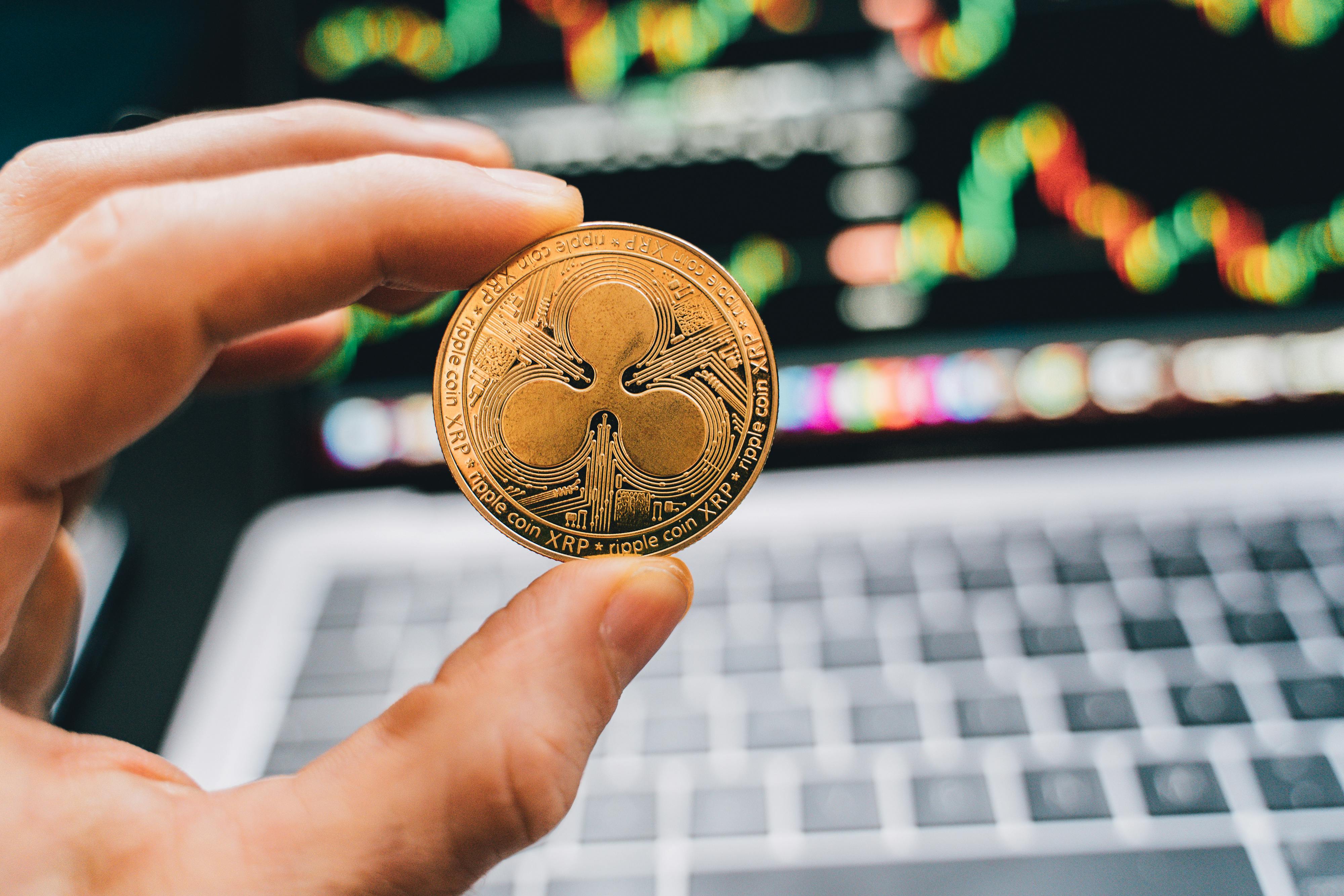
The world is shifting toward fully instant and global financial networks. XRP remains a consistently advancing digital asset from a technological perspective. Although its market value keeps constantly fluctuating, its underlying architecture is deeply shaping the future of cross-border payments and financial inclusion.
Currently, one XRP is worth ₹232.92 INR, down by 4.87% over the past month but up by 8.38% in the past week (as of October 27). The XRP price in INR also considers the growing importance of efficient payment channels that bypass delays and restrictions imposed by banking systems worldwide. As the world becomes faster and more digital, the XRP story highlights how finance, technology and real-time information are merging to create a more connected global economy.
Digital Currency to World Payment System
XRP has always differentiated itself from the notion of speculation that comes along with other cryptocurrencies. Contrary to other digital currencies that were only meant for trading, XRP was designed for functionality, namely for facilitating the transfer of value from one currency to another, from one country to another and from one system to another, faster than ever before.
This practical focus helped XRP earn recognition among fintech developers, remittance providers and financial institutions exploring blockchain-backed settlement systems. Whether for converting euros to yen or rupees to pounds, XRP’s infrastructure allows money to cross borders in seconds, where traditional transfers could take days.
This transition from concept to application has made XRP one of the most closely watched digital assets. Price shifts today often reflect technological adoption rather than hype cycles, showing how blockchain’s best use cases can underpin lasting value.
Technology Behind the Movement
The XRP Ledger (XRPL) is the foundation of the system’s credibility. The system has a consensus algorithm that validates a transaction in only three to five seconds, using little energy. The XRPL has attracted many companies that seek to upgrade their payment services without the negative environmental impacts that conventional proof-of-work systems cause.
The scalability of the ledger is truly remarkable. This ledger can handle thousands of transactions per second and process amounts comparable to current payment gateways. Even more important, the cost per transaction is less than a cent, which is a significant advantage.
Trust is integral in the structure of such a system. Validators, or independent servers that keep the network running, function on a global level, thereby ensuring that such a system is decentralized and secure.
With more industries embracing technology in managing cross-border payments, the technological advantages offered by XRPL are currently a consideration in the larger discussion on financial efficiency and equity.
Institutional Integration and the Effect on XRP Pricing
The strength and value of any financial technology lie in its user, as well as the manner by which it is used. The past few years have witnessed banks and fintech companies in Asia, Europe and the Middle East use blockchain technology for instant settlement through systems that include XRP.
Institutional participation helps in stabilizing digital markets. For XRP, its adoption in money remittance services and business-grade payment channels has helped XRP establish itself as a very reliable bridge token. This functionality leads to continuous market demand, thereby promoting market confidence.
This adoption level has also brought a more tempered set of expectations to the world of cryptocurrencies. Rather than looking for quick gains, the emphasis is on reliability for the long haul. For XRP, every technological achievement, from scaling to financial integration, adds up to relevance, quietly solidifying market perception.
The Connection Between Usage and Valuation
Blockchain data can sometimes paint a clearer picture than the charted trends. The transaction volume carried on the XRPL, the number of active accounts and the regularity of settlements are health indicators for the underlying XRP network.
The aspect that distinguishes XRP is its strong link to its utility in the market. With the growth of financial corridors or the adoption of XRPL by new payment services, the number of transactions increases and the level of recognition in the global market also rises. This marks a growth stage for digital currencies.
Volatility has persisted, but more due to external market forces than internal turmoil. Bottom line: The XRP ecosystem is behaving less like a ‘speculative’ project and more like a healthy component of the future digital economy.
Notably, innovation in the financial technology sector is still affecting the trend. According to Binance Research, “Cloudflare’s NET Dollar stablecoin reflects the growing demand for AI-native payment infrastructure, designed to power autonomous agents with instant, transparent and programmable transactions. It’s a bold step toward a more open and sustainable Internet economy.”
This rising confluence of blockchain, automation and payments signifies that digital currencies, such as XRP, are merely a small aspect of the larger shift that is occurring.
Global Payment Corridors and Financial Inclusion
The most significant narrative that has become associated with XRP’s development history is its significance in facilitating global financial access. International payments through banks can be expensive and time-consuming, especially for developing countries. Blockchain technology can solve that problem.
This is because, by removing the need for various middlemen, XRPL-based systems enable faster global money transfers by ensuring that the funds pass directly from party to party, thereby cutting costs significantly. For small businesses or individuals making overseas payments, every bit helps and it will be interesting to see how digital currencies, such as XRP, will be used for remittances in various African, South Asian and Latin American countries.
This trend extends beyond individuals. Emerging-market banks and microfinance institutions are experimenting with blockchain rails to enhance liquidity and expand access. While regulations differ by region, the overarching shift toward inclusive finance continues to give XRP’s technology and, by extension, its valuation, added meaning.
What XRP’s Price Reveals About the Future of Digital Finance
The recent activity that has characterized the movement in XRP’s pricing demonstrates its deep connection to payments innovation. It is less about market speculation and more related to the future that the digital economy presents. The speed, reliability and ease of use that it presents for financial systems to achieve global compatibility explain its attractiveness.
Currently, XRP is a benchmark that others strive for. It proves that cryptocurrencies can move from the hype stage to a stable level, managing millions of transactions every day. Not only does its performance indicate market trends. In fact, it also demonstrates how much the world has advanced in financial technology through blockchain.