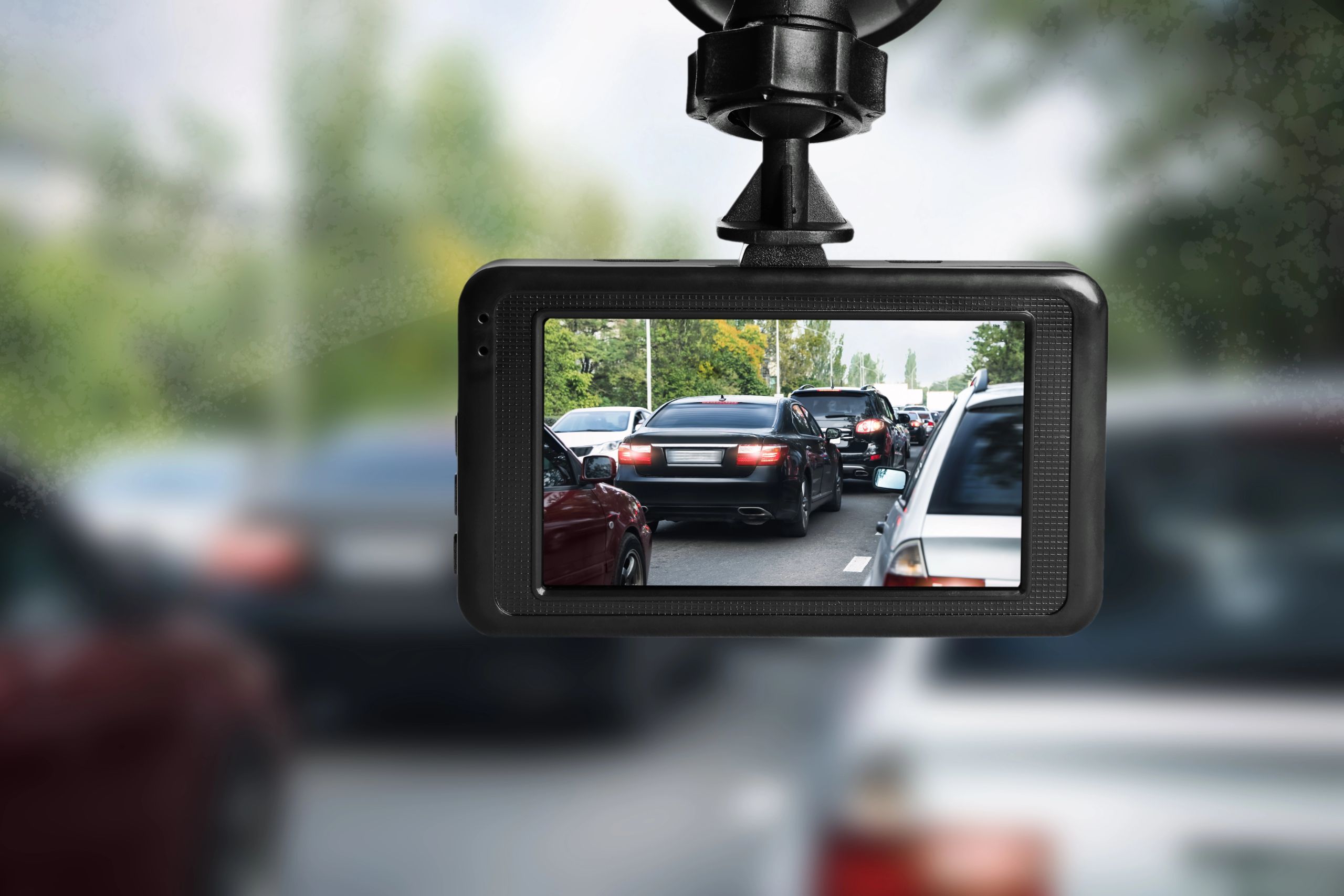
You might be replaying the crash in your mind, frame by frame, wishing you could show exactly what happened instead of arguing about it. Maybe the other driver is blaming you, the insurance company is dragging its feet, and you are staring at a small device on your windshield wondering whether that dashboard camera will finally make someone listen. Visit poltlaw to learn more.
That feeling of uncertainty is exhausting. You know what you went through, yet you are worried that without proof, your word will be weighed against someone else’s story. Because of that tension, you might be asking a simple question. Does dash cam footage really change how accident claims work, or is it just another gadget that insurers ignore?
In short, dashboard camera footage can be powerful. It can help show what really happened, support or challenge witness statements, and influence who is found at fault. It is not magic, and it does not guarantee a perfect result, but used correctly it can give your personal injury claim a clearer foundation and often a stronger position in negotiations.
How does dash cam footage change the story after a crash?
After a collision, there is your version, the other driver’s version, maybe a police report, and sometimes a witness who only saw the last few seconds. The problem is that memory is messy. People misjudge speed, miss small details, or fill in gaps without meaning to. When you are hurt and worried about bills, that uncertainty can feel frightening.
This is where the impact of dashboard footage on accident claims begins to matter. A dash cam records events in real time. It can show the color of the light, the distance between cars, sudden lane changes, or a phone in someone’s hand. It removes some of the guesswork from the investigation.
For example, imagine you were rear-ended at a stoplight. The other driver claims you “stopped suddenly for no reason.” Your dash cam might show a clear red light ahead, brake lights from cars in front of you, and your gradual stop. That short video shifts the discussion from “who seems more believable” to “what does the footage actually show.”
Or think about a crash involving suspected distraction. Research on distracted driving data and surveillance shows how often phones and other devices contribute to collisions. A dash cam with interior view might capture a driver looking down at a screen, which can be powerful evidence when an insurer tries to argue that “no one can prove” distraction.
What makes dash cam evidence helpful, and what can go wrong?
So where does that leave you when you actually need to use this footage for a claim? There is a helpful side and a risky side, and it is important to understand both.
On the helpful side, clear video can:
- Support your version of events when the other driver changes their story.
- Show weather, traffic, and road conditions that a written report might skip.
- Highlight dangerous behavior like speeding, tailgating, or swerving.
- Provide timestamps that match phone records, 911 calls, or intersection cameras.
This can strengthen your position when you or your personal injury lawyer negotiate with the insurance company. It can also help in court if the case goes that far. Some studies on crash recording show that even simple in-vehicle video improves understanding of what happened in the seconds before impact, because investigators can see driver behavior instead of guessing. For example, one project on naturalistic driving data from Virginia Tech, archived in the Virginia Tech Transportation Institute collection, shows how real-world recordings help identify how and why crashes unfold.
On the risky side, the camera records everything, not just the parts that help you. If you were also speeding a little, rolling through a stop sign, or glancing at your own phone, that may appear on video. Insurers sometimes try to use this to argue that you share some blame, which can affect how much compensation you receive.
There are other complications too.
- The footage might be grainy, poorly lit, or blocked by glare.
- Audio, if recorded, might capture upset words that are taken out of context.
- If your device overwrites older footage, a delay in saving the file can mean it is lost.
Because of these issues, dash cam evidence in an accident claim is powerful but also sensitive. You want to protect it, understand what it shows, and share it strategically.
Is it better to rely on dash cam footage alone or get legal help?
It can be tempting to think “I have the video, I can handle this myself.” Sometimes that works. In other cases, especially when injuries are serious or fault is disputed, going it alone can cost you more than you expect.
| Approach | What It Looks Like In Practice | Potential Benefits | Possible Risks |
|---|---|---|---|
| DIY use of dash cam footage | You send the video to the insurer, handle calls yourself, and accept or reject offers on your own. | Faster in simple fender benders.No legal fees if you resolve it alone.Clear footage might quickly show fault. | You might share harmful parts of the video without realizing it.Insurers may still lowball your claim despite clear proof.You may miss deadlines or damages you can claim. |
| Working with a personal injury lawyer | A lawyer reviews the footage, compares it with reports and medical records, and presents it in a strategic way. | Guidance on whether and how to share the video.Better chance of full value negotiations.Help responding if the other side attacks your driving. | Some cases may take longer to resolve.Legal fees, usually from a percentage of the recovery.Not every dispute will disappear, even with strong evidence. |
This comparison is not about fear. It is about awareness. Dash cam footage can be a strong ally, yet how you use it can either support or weaken your claim.
What immediate steps should you take with dash cam footage after a crash?
When your body hurts and your mind is racing, it is hard to know what to do first. Here are three focused actions that can help protect both your health and your claim.
1. Secure and back up the footage right away
As soon as it is safe, make sure the video is saved. Many dash cams record on a loop, which means new driving can erase the crash footage. Turn the camera off if you can. Remove the memory card, or use the app to download the file to your phone, then back it up to a computer or cloud storage.
Do not edit the video. Do not add text or cut out parts, even if you think they are irrelevant. Keep the original file untouched. If someone later questions its accuracy, you will want to show that it has not been altered.
2. Get medical care and document everything
Footage can show how hard the impact was, but it cannot feel the pain in your neck, back, or head. Even if you think you are “just sore,” see a doctor as soon as possible. Tell them exactly what happened and where you hurt. Follow their instructions and keep copies of all records, prescriptions, and visit summaries.
Write down your own account while the details are fresh. Note the date, time, weather, traffic, and how the crash unfolded. When paired with dash cam footage in a car accident claim, this written record can help show how the event affected you physically and emotionally, not just mechanically.
3. Have a personal injury lawyer review the footage before sharing it widely
Before you send your video to an insurance adjuster or post it online, pause. A lawyer who regularly handles dash cam accident evidence and injury claims can review the full footage, not just the few seconds you focus on, and help you understand how it might be used for or against you.
They can also coordinate with crash experts if needed, compare the video to the police report, identify any missing angles or time gaps, and decide when and how to present the footage during negotiations or in court. This protects you from surprises and helps you use the video as one piece of a stronger, more complete case.
Where do you go from here?
Right now you may be tired, hurting, and unsure who to trust. You are trying to heal while also trying to protect your rights, and that is a lot to carry at once. Your dashboard camera cannot undo the crash, yet it can give you something rare in these moments. Clarity.
Used carefully, your footage can support your story, challenge unfair blame, and help a personal injury lawyer build a claim that reflects what you actually went through. You do not have to know every legal rule today. You only need to take smart, calm steps to protect the evidence and reach out for guidance when you are ready.
You deserve to be heard and taken seriously. If you have dash cam video from your collision, treat it as an important tool, not the whole answer, and consider speaking with a personal injury lawyer who can walk through it with you and help you move from confusion toward resolution.