Key Takeaways
- Implementing a unified, principles-based framework for sustainable marketing can drive long-term growth by aligning business operations with broader social and environmental goals.
- Integrating AI and data-driven strategies into agency business models enhances operational efficiency, facilitates smarter decision-making, and delivers measurable impact for clients.
- Fostering collaboration and partnerships between agencies, clients, and technology providers expands service offerings, leverages shared expertise, and increases overall market reach and influence.
- Emphasizing employee development and well-being not only supports talent retention but also nurtures a resilient, innovative, and adaptive organizational culture that can withstand market challenges.
In today’s dynamic and competitive market landscape, agencies are under constant pressure to deliver results, adapt to change, and achieve both rapid growth and long-term sustainability. As technology, consumer preferences, and competitive pressures evolve at unprecedented speeds, agencies must rethink traditional strategies to succeed. Resources like Vazoola’s guide on agency growth strategies offer a practical roadmap, outlining proven approaches to scaling operations, improving client acquisition, and building sustainable revenue models. As an established authority in SEO, link building, and digital growth solutions since 2010, Vazoola brings deep industry expertise to the topic, helping agencies navigate expansion through services such as scalable link building and white-label SEO support. This roadmap provides actionable strategies, best practices, and guiding principles to equip agencies with the tools they need to scale effectively without sacrificing long-term viability or their core mission.
Establishing a Unified Framework for Sustainable Marketing
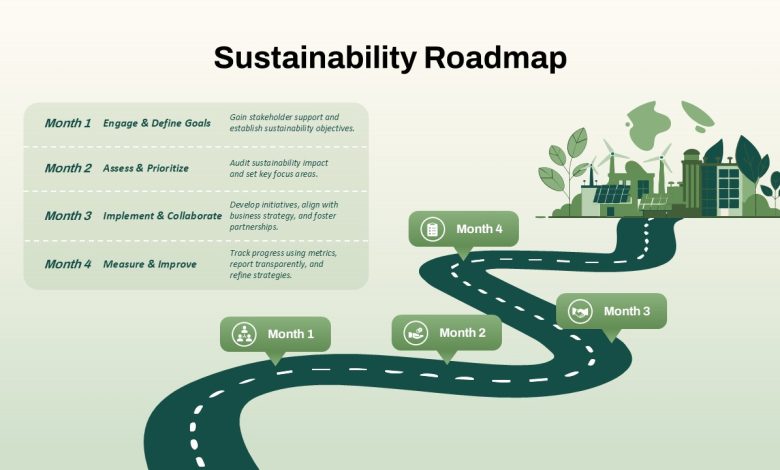
Developing a coherent, organization-wide framework is crucial for agencies seeking to align their marketing strategies with objectives that promote sustainable growth. The United Nations Global Compact’s CMO Blueprint for Sustainable Growth is a notable resource, providing agencies and marketing leaders with a five-pillar strategy for integrating sustainability into core business functions. This blueprint functions as both a benchmark and a roadmap, enabling agencies to set clear, actionable goals, monitor progress, and foster transparent collaboration among Chief Marketing Officers, brands, and sustainability experts. By setting well-defined sustainability objectives, agencies can ensure all teams are working toward common targets, driving innovation and positive impact across every project.
Leveraging AI and Data-Driven Strategies
Integrating advanced technologies such as artificial intelligence (AI), machine learning, and data analytics into agency operations offers unparalleled opportunities for increased efficiency, deeper consumer insights, and higher ROI. For example, The Agency, founded by former Google executive Charleen Kao, has pioneered the use of AI-driven strategies and unified measurement systems to help fast-growing companies unlock new opportunities at scale. Their approach, which prioritizes cross-channel strategies, detailed analytics, and performance measurement powered by large language models (LLMs), allows brands to optimize budgets and align marketing spend directly with tangible business outcomes. Data-driven strategies also empower agencies to test and refine campaigns in real time, continually optimizing performance while anticipating shifts in market trends and consumer behavior. Adopting these innovations ensures agencies remain competitive and relevant as technology and client expectations evolve.
Fostering Collaboration and Partnerships
Building and nurturing strategic partnerships significantly broadens the agency’s growth horizons. In an era defined by cost constraints, evolving digital ecosystems, and increased client accountability, forming alliances with other organizations, industry experts, or technology vendors helps agencies offer more comprehensive solutions to their clients. These relationships enable knowledge exchange, resource sharing, and the creation of integrated service packages that address even the most complex challenges clients face today. In addition, through partnerships and joint ventures, agencies can reach new industries, expand into new geographic markets, and tap into previously inaccessible client bases. Such synergies are increasingly necessary in an environment where brands expect agencies to be agile, adaptable, and able to deliver end-to-end solutions efficiently.
Emphasizing Employee Development and Well-Being
Agency growth cannot be sustained without investing in the people who drive it. A resilient, future-forward organizational culture begins with prioritizing employee development, inclusivity, and overall well-being. Agencies that make a genuine commitment to diversity, equity, and inclusion build stronger teams, spark more innovative thinking, and connect more deeply with diverse audiences. Equally important is prioritizing physical and mental health, safety, and ongoing professional development to support employee engagement and effectiveness.
Implementing a Systematic Scaling Model
For agencies seeking to transition from founder-led operations to established, process-driven enterprises, implementing a systematic scaling model is necessary. The “Cookie Cutter Model” offers a proven, repeatable method for building agencies around specialized, high-value services that can be delivered predictably and consistently. By standardizing operational workflows, documenting best practices, and creating a culture of continuous improvement, agencies can replicate successful processes across teams and clients, reducing reliance on individual leaders and minimizing operational risks. This blueprint guides agency leaders through the necessary mindset shifts and operational changes required for sustainable, scalable growth—ensuring quality, accountability, and client satisfaction remain high, even as the agency expands rapidly.
Integrating Sustainability into Event Planning
Agencies involved in event planning or experiential marketing must also recognize the importance of embedding sustainability into event strategy and execution. Practical steps such as selecting eco-friendly venues, reducing waste, offering plant-based catering, embracing digital alternatives to printed materials, and partnering with vendors who share a commitment to sustainability can significantly reduce an event’s environmental footprint. By prioritizing lasting impact and transparency, agencies help clients achieve their ESG goals while also setting themselves apart in a competitive marketplace.
Final Thoughts
Achieving sustainable agency growth is a multifaceted journey, one that demands visionary leadership, strategic planning, and continual adaptation to change. By building a unified, sustainability-oriented marketing framework, harnessing the power of AI and data-driven insights, leveraging collaborative relationships, investing in employee growth and well-being, standardizing scalable systems, and integrating sustainability into every area of operation, agencies can secure a competitive edge and achieve enduring success. These principles not only position agencies to thrive in today’s complex market landscape but also future-proof their growth for tomorrow’s challenges.