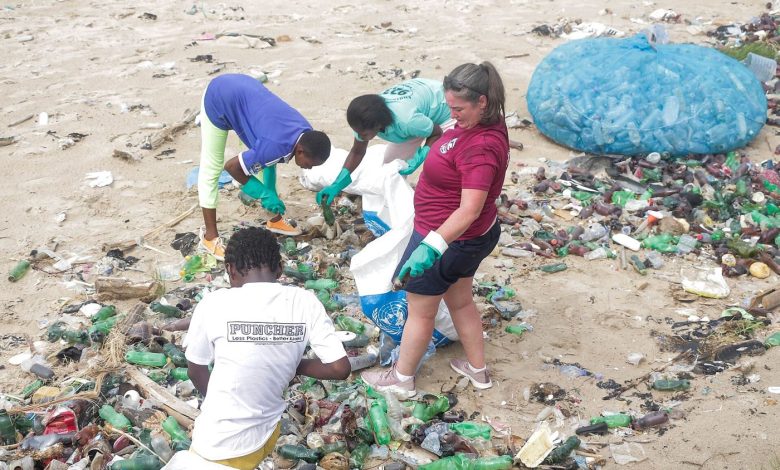
After years of talks, nations are close to a global treaty to cut plastic waste, an agreement that would set common rules for how plastic is made, used and thrown away. Plastic pollution has become one of the most visible environmental problems, with waste washing up on beaches, filling rivers and breaking into tiny particles found in soil, water and wildlife. The draft treaty would limit the production of the most harmful plastics, require more recycling and push companies to design packaging that can be reused. Negotiators say the hardest disagreements are over production caps, with oil-producing countries resisting limits on the raw material for plastic, and over who pays for the clean-up in poorer countries. Delegates have met repeatedly, and the latest round ended with a text that most sides say is workable, if not yet agreed. A final deal could be reached at the next session. Negotiators say the remaining gaps are narrow, though they also warn that a single disagreement could still delay the agreement.
What the Evidence Shows
The treaty matters because plastic pollution crosses borders, and no country can solve it alone. A bottle thrown into a river in one country can end up on a beach in another, and the tiny particles from broken-down plastic travel through the sea and the air. Businesses are watching the talks, since new rules on packaging will affect how they make and sell almost everything. Some companies have already started to change, cutting single-use plastic and switching to refillable or compostable alternatives, while others warn that substitutes can be costly or less practical. Environmental groups say the treaty must be strong, with binding targets rather than voluntary promises, or it will change little. If the agreement is signed, it would be the most important environmental deal since the Paris climate accord. Reporting and analysis from sources such as Reuters track the same developments, and specialists following global plastic waste treaty say the direction is now consistent across independent lines of evidence.
The Wider Context
The wider context is a public conversation conducted at a speed institutions were not built for. Developments around global plastic waste treaty are announced, contested and revised within a single news cycle, and the officials involved have learned to publish evidence alongside claims so that scrutiny can actually occur. Trust, the polling suggests, follows that transparency more than it follows confidence.
What Happens Next
What happens next in the story of global plastic waste treaty will be decided in the places where it is being implemented, measured and argued about in public. The officials and organisations involved have committed to publishing progress data, and that commitment gives residents, businesses and journalists something firmer than promises to judge. The next milestones are dated, which means they can be checked. You can follow related developments in our coverage of news.
There is a practical lesson in all of this for readers deciding what to do today. Start with the verified facts, be wary of anyone promising certainty, and prefer reversible steps while the evidence is still developing. Circumstances differ by country, income and personal situation, so general guidance should always be weighed against your own context before you act on it in any significant or lasting way.