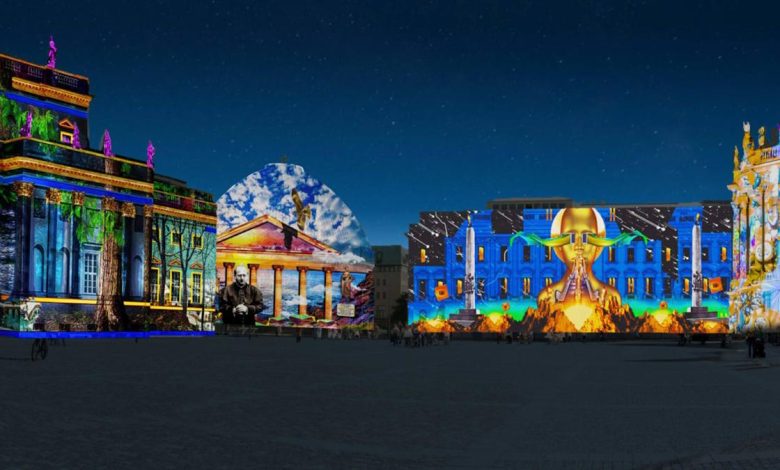
Projection mapping has a way of stopping people mid-step. A plain wall becomes a moving canvas. A building façade seems to bend, crumble, or bloom with light. A product reveal feels less like a presentation and more like a moment.
But those results do not happen by accident. They come from tight creative direction, careful engineering, and a team that knows how to make visuals behave in the real world. If you are looking for a projection mapping company, the smartest move is to evaluate them the way you would evaluate any high-stakes partner: by their process, their technical judgment, and their ability to manage details without drama.
This guide walks through what projection mapping is, what drives cost and complexity, and how to choose a team that will deliver a smooth, impressive experience.
What Projection Mapping Really Is
Projection mapping is the practice of projecting video content onto a real surface and aligning it so the imagery appears perfectly fitted to that surface. Instead of treating the surface like a flat screen, mapping uses the shape, texture, and depth of the object as part of the visual story.
That surface could be almost anything:
- A building exterior for a festival or civic celebration
- A stage set for a concert or live show
- A car, sneaker wall, or product display for a launch
- A museum installation where the room itself becomes the exhibit
- A corporate event where brand stories unfold across panels, columns, and scenic elements
The main difference between mapping and “regular projection” is precision. In mapping, content is designed to land exactly where it needs to land, even if the surface has edges, curves, cutouts, or multiple planes.
Why It Feels So Immersive
Mapping works because it blends physical reality with motion, light, and perspective tricks. When content is properly aligned, the brain accepts the illusion. You are not watching a video on a wall, you are watching the wall transform.
That illusion depends on details: brightness, color, alignment, frame sync, and timing. A small error can break the effect fast, which is why partner selection matters.
Common Use Cases and What They Require
Not all mapping projects are built the same. The best projection mapping company will ask what kind of experience you want, then design the approach around it.
Building and Landmark Mapping
Large outdoor projections are often the most visually dramatic, and also the most logistically intense. You are dealing with long throw distances, ambient light, weather risk, city permits, power planning, and safety.
You also need content that respects the architecture. The best work does not just cover the building, it uses it.
Stage and Event Mapping
Indoor mapping for conferences, award shows, and performances can be more controlled, but it has its own challenges. Sightlines matter. Rigging matters. Content has to complement lighting design, camera angles, and run-of-show cues.
The more live cues and transitions you have, the more your tech team needs experience with show control and redundancy.
Product and Retail Mapping
Mapping onto products or branded structures can be incredibly effective, especially for launches and retail activations. It allows you to show features, variants, or story moments without swapping physical assets.
These projects require close measurement, careful media server setup, and content that holds up when people are standing close.
Permanent and Semi-Permanent Installations
Museums, visitor centers, and branded spaces often want mapping that runs daily for months or years. That changes priorities. You need stable hardware, remote monitoring, easy maintenance, and content workflows that can be updated without rebuilding the whole system.
What Makes a Projection Mapping Project “Good”
People often judge mapping by visuals alone, but the real standard is whether the audience experience is smooth and convincing from start to finish.
A strong projection mapping company tends to get these things right:
- The content fits the surface naturally, with intentional use of edges and depth
- Brightness is sufficient for the environment, with clean contrast
- Color looks consistent across surfaces and multiple projectors
- Motion feels purposeful, not chaotic or overpacked
- The setup is reliable, with backup planning for critical components
- The team communicates clearly and sets realistic expectations
Good mapping looks effortless. Behind the scenes, it rarely is.
Key Questions to Ask Before Hiring
A polished demo reel is a good sign, but you need to go deeper. Ask questions that reveal how the team thinks and how they work under real constraints.
How Do You Approach Discovery and Concepting?
A serious team will ask about your goals, audience, brand guidelines, venue constraints, and timeline. They should be able to explain how they move from concept to storyboard to final content.
If a team jumps straight to visuals without clarifying objectives, you can end up paying for something that looks cool but does not support the event.
Who Handles What: Creative, Technical, and On-Site?
Some teams are mostly content studios. Others are mostly technical integrators. The best partner for you depends on the job.
Ask whether they provide:
- Creative direction and content production
- Technical design, projector specs, and media server setup
- Installation, alignment, and rehearsal support
- Show operation during the event
If they outsource key parts, ask who those partners are and how responsibilities are split.
What Is Your Site Survey Process?
A projection mapping company should want a site survey, either in person or through a structured remote method with measurements, photos, and layout files. They should talk about throw distance, mounting options, power, and sightlines.
If the venue is complex, a survey is not optional. It is how you avoid surprises.
How Do You Plan for Brightness and Ambient Light?
Brightness is one of the fastest ways to tell whether a team is experienced. A bright outdoor environment, a room with chandeliers, or a venue with large windows will shape equipment choices.
A good team will explain how they calculate brightness needs, and what tradeoffs exist between projector output, distance, and budget.
What Does Your Timeline Usually Look Like?
Mapping includes multiple phases: pre-production, content approvals, technical planning, installation, calibration, rehearsal, and show operation.
A reliable team will walk you through milestones and ask when stakeholders can review drafts. If your timeline is tight, they should explain what can realistically be done, and what should be simplified.
Understanding Budget Without Guessing
Pricing varies widely, because mapping can be simple or extremely complex. Instead of hunting for a single number, focus on the drivers.
What Typically Drives Cost
- Number of projectors and brightness requirements
- Complexity of the surface and alignment
- Custom content creation time
- Venue access hours and labor requirements
- Rigging, lifts, truss, or mounts
- Media servers, playback systems, and show control
- Rehearsals, iterations, and on-site operation time
- Travel, permits, insurance, and safety planning
A projection mapping company that can explain costs in plain language is a team you can plan with.
Where Cutting Costs Can Backfire
Some savings are reasonable, like simplifying content length or reducing the number of mapped surfaces.
Other cuts can cause trouble:
- Not budgeting enough brightness, leading to washed-out visuals
- Skipping backup hardware for critical shows
- Rushing content approvals, leading to last-minute changes on site
- Underestimating labor and setup time
If mapping is a centerpiece moment, reliability is part of the creative.
Red Flags That Usually Mean Trouble
A few warning signs show up across many projects:
Overpromising Without Details
If a team guarantees a huge impact without asking about venue lighting, throw distance, or schedule constraints, they may be selling the dream more than the plan.
Vague Technical Explanations
You do not need a full engineering lecture, but you should hear clear reasoning about projectors, media servers, and alignment. If answers are consistently fuzzy, you may run into surprises later.
No Clear Approval Process
Mapping projects need structured feedback cycles. If a company cannot describe how many review rounds are included, how changes are handled, or who signs off, expect tension.
Thin On-Site Support
If the setup requires calibration and show operation but the team plans to “set it and forget it,” that is risky. Even small venue changes can shift alignment.
How to Compare Proposals Like a Pro
When multiple companies send quotes, it can feel hard to compare. They may use different language, different line items, and different assumptions.
Try to align proposals around these categories:
Scope of Work
Confirm what is included: concepting, content production, equipment, installation, rehearsal time, and show operation. Make sure the deliverables are specific, not implied.
Content Details
Ask for clarity on:
- Total runtime of content
- Style direction and number of scenes
- Whether content is custom for your surface
- Number of revision rounds included
Equipment and Technical Plan
You want to see:
- Projector quantity and brightness class
- Mounting approach and expected throw distances
- Playback system and show control method
- Backup planning for key components
Even if the proposal does not list every model, it should communicate the technical intent.
Schedule and Access Needs
A good proposal states:
- Load-in and load-out plan
- Setup and calibration time
- Rehearsal requirements
- Venue access hours needed
If access is limited, the plan should adapt.
Collaboration Tips That Make Projects Smoother
You can help your project succeed by setting up a few things early.
Share Venue and Brand Assets Up Front
If you have floor plans, elevations, CAD files, stage drawings, or brand guidelines, share them as early as possible. It saves time and reduces guesswork.
Assign One Decision Maker for Feedback
Mapping projects can stall when feedback comes from too many people. Try to have one primary approver who collects input and sends consolidated notes.
Plan for a Full Rehearsal
If mapping is timed with speakers, music, or lighting cues, a full rehearsal is worth it. It is where you catch timing gaps and alignment issues before the audience arrives.
Keep Expectations Realistic
A short, well-produced mapped moment can be more effective than a long sequence filled with constant motion. Strong mapping feels intentional, not overloaded.
Picking the Best Partner for Your Goals
At the end of the day, you are hiring more than visuals. You are hiring judgment.
The right projection mapping company will feel steady. They will ask smart questions. They will be clear about what they need from you and what you can expect from them. They will plan for the real world: ambient light, venue constraints, schedule pressure, and the fact that live events rarely go perfectly.
When that partnership is right, mapping becomes what it should be: a seamless blend of story and spectacle that people remember long after the lights go out.