A roof is one of the most important parts of any property, yet many homeowners only think about it when there’s already a leak or visible damage. Whether you own a family home, manage rental properties, or oversee a commercial building, the quality of your roofing system directly impacts safety, energy efficiency, and long-term maintenance costs.
In fast-growing cities where weather conditions can shift quickly, choosing the right roofing contractor becomes even more important. A reliable roofing partner can help property owners avoid recurring repairs, extend roof lifespan, and improve overall property value.
Why Roofing Quality Matters More Than Ever
Many property owners focus on aesthetics when considering roof upgrades, but the structural performance of a roof matters just as much. A poorly installed or aging roof can create issues that extend beyond water intrusion. Ventilation problems, insulation gaps, and hidden moisture damage can all contribute to expensive repairs over time.
Modern roofing systems are designed to do more than simply cover a structure. Today’s roofs help regulate indoor temperatures, improve energy efficiency, and withstand severe weather conditions. When installed correctly, a quality roof can also reduce long-term maintenance demands.
For homeowners planning future renovations or property sales, investing in roofing improvements can also strengthen resale appeal. Buyers are often willing to pay more for homes with newer, professionally installed roofing systems because they recognize the value of avoiding immediate repairs.
Signs It May Be Time for Roof Repair or Replacement
Not every roofing issue requires a complete replacement, but there are several warning signs property owners should never ignore. Some problems may appear minor at first while hiding more serious structural concerns underneath.
Here are a few common indicators that a roof should be inspected:
- Missing or curling shingles
- Water stains on ceilings or walls
- Granule buildup in gutters
- Sagging roof sections
- Increased indoor humidity or poor ventilation
- Mold growth in attic spaces
- Frequent leaks during storms
Even small leaks can lead to significant structural damage if left untreated. Moisture can spread through insulation, drywall, and wooden framing materials before visible signs appear inside the home.
Routine inspections can help identify these issues early and prevent repair costs from escalating.
The Importance of Working With Experienced Roofing Professionals
Roofing projects involve far more than simply replacing shingles. Proper installation requires an understanding of structural integrity, drainage systems, ventilation, underlayment materials, and local weather patterns.
Experienced roofing professionals typically follow a more comprehensive process that includes:
Detailed Roof Assessments
Professional inspections help determine whether a roof needs targeted repairs or full replacement. This step also helps uncover hidden damage that may not be obvious from ground level.
Material Recommendations
Different roofing materials offer different advantages depending on climate conditions, architectural style, and maintenance goals. Contractors should explain the pros and cons of each option clearly.
Installation Standards
High-quality installation practices help reduce the likelihood of leaks, premature wear, and structural issues. Proper flashing, sealing, and ventilation are especially critical in areas prone to heavy rain or heat exposure.
Warranty Protection
Reliable contractors often stand behind their workmanship and materials. Warranty coverage provides added confidence that issues will be addressed if they arise later.
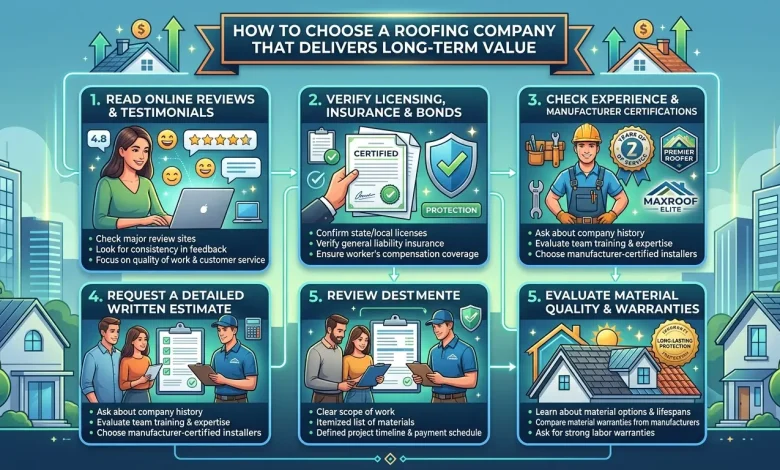
For homeowners researching local contractors, reviewing project experience and service details can help narrow down the options. Many property owners choose to learn more about regional roofing services through resources like Ideal Precision Roofing Dallas when comparing approaches to roof repair and replacement.
Roofing Materials Continue to Evolve
One of the biggest changes in the roofing industry over the past decade has been the advancement of materials and technology. Property owners now have more options than ever before when selecting a roofing system.
Asphalt Shingles
Asphalt remains one of the most common residential roofing choices due to affordability and versatility. Modern shingles are available in a wide variety of colors and styles, with improved durability compared to older products.
Metal Roofing
Metal roofs have gained popularity because of their longevity and energy efficiency. They can reflect sunlight effectively and often require less maintenance over time.
Tile and Slate
These premium materials offer strong durability and distinctive visual appeal. While they typically involve higher upfront costs, they can last for decades when properly maintained.
Energy-Efficient Roofing Systems
Some newer roofing products are specifically designed to improve thermal performance. Reflective coatings and advanced ventilation systems may help reduce cooling costs during warmer months.
Choosing the right material depends on budget, climate exposure, long-term goals, and architectural preferences.
Weather Can Have a Major Impact on Roof Lifespan
Climate conditions play a major role in determining how long a roof will last. Heat, humidity, strong winds, hail, and heavy rainfall all contribute to gradual wear over time.
Storm damage is particularly concerning because it may not always be visible immediately after severe weather events. Wind can loosen shingles, while hail may weaken protective surfaces without causing immediate leaks.
This is why many roofing professionals recommend seasonal inspections, especially after major storms. Identifying damage early often allows for simpler repairs before structural problems develop.
Property owners should also pay close attention to drainage systems. Clogged gutters and improper water flow can accelerate roof deterioration by trapping moisture around vulnerable areas.
Preventive Maintenance Saves Money Over Time
Many roofing emergencies can be avoided through routine maintenance and early intervention. Waiting until leaks appear inside the home often means hidden damage has already spread.
A proactive roofing maintenance plan may include:
- Annual roof inspections
- Gutter cleaning and drainage checks
- Replacing damaged shingles promptly
- Monitoring attic ventilation
- Trimming overhanging tree branches
- Inspecting flashing around vents and chimneys
These relatively simple maintenance steps can significantly extend roof lifespan while reducing repair expenses.
Homeowners who stay ahead of small issues are often able to avoid the disruption and cost of large-scale emergency repairs.
Final Thoughts
A roofing system is a long-term investment that affects both the protection and value of a property. While it may be tempting to focus only on short-term costs, choosing quality materials and experienced professionals can lead to better performance and fewer issues over time.
Whether dealing with aging shingles, storm-related concerns, or planning a future upgrade, property owners benefit from understanding their options before problems escalate. Careful planning, routine maintenance, and professional installation all contribute to a roof that performs reliably for years to come.