Emerging Trends in Metal Enclosed Switchgear: Smart Monitoring, Modular Designs, and Sustainable Solutions

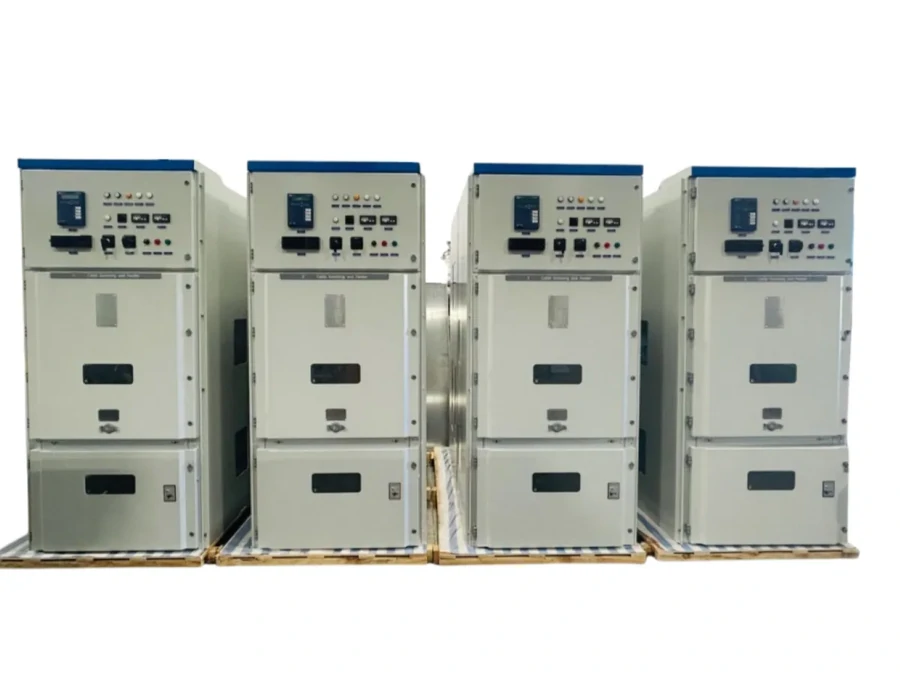
Medium voltage switchgear is a critical component in modern power distribution networks, providing protection, control, and isolation for electrical systems in utilities, industrial facilities, and commercial buildings. Among the various types of switchgear, metal enclosed switchgear has long been valued for its robust design, safety, and reliability. However, like all technology-driven industries, switchgear is evolving rapidly to meet the demands of modern power systems. Emerging trends such as smart monitoring, modular designs, and sustainable solutions are shaping the next generation of MES, making it safer, more efficient, and environmentally responsible.
This article explores these trends, their benefits, and how they are transforming the future of medium voltage metal enclosed switchgear.
1. Smart Monitoring and Digital Integration
One of the most significant trends in modern MES is the integration of smart monitoring and digital technologies. Traditional switchgear relied primarily on mechanical components and manual inspections to ensure reliable operation. Today, smart MES incorporates sensors, communication interfaces, and advanced analytics to monitor equipment in real time.
Key Features of Smart Monitoring
- Condition Monitoring Sensors – Track temperature, vibration, humidity, and gas pressure in the switchgear compartments.
- Digital Protection Relays – Detect overloads, short circuits, and other abnormal conditions, triggering circuit breakers precisely when needed.
- Remote Monitoring – Allows operators to access performance data and diagnostic reports through SCADA or cloud-based platforms.
- Predictive Analytics – Uses collected data to anticipate failures before they occur, enabling proactive maintenance and reducing downtime.
Benefits of Smart Monitoring
- Reduced Downtime – Early detection of anomalies prevents unexpected failures and keeps power systems operational.
- Improved Safety – Real-time monitoring helps prevent arc flash incidents and other hazards.
- Optimized Maintenance – Maintenance activities can be scheduled based on actual equipment condition rather than fixed intervals, reducing costs.
- Data-Driven Decision Making – Utilities and industrial operators can use historical data to optimize load distribution and network performance.
Smart monitoring transforms MES from a purely mechanical system into an intelligent, connected component of modern power grids, aligning with the broader trends of digitalization and smart grids.
2. Modular Designs for Flexibility and Scalability
Another emerging trend is the adoption of modular designs in metal enclosed switchgear. Traditional MES systems were often built as fixed, monolithic units, which made expansion or upgrades difficult and costly. Modular MES solves this problem by allowing components and sections to be added, removed, or replaced with minimal disruption.
Characteristics of Modular MES
- Plug-and-Play Compartments – Individual modules, such as circuit breaker or busbar sections, can be installed or removed independently.
- Standardized Interfaces – Ensures compatibility between modules and simplifies system integration.
- Flexible Layouts – Modules can be arranged to suit available space and specific operational requirements.
- Ease of Expansion – Additional modules can be added as power demand grows without replacing the entire switchgear system.
Advantages of Modular MES
- Reduced Installation Time – Pre-assembled modules simplify on-site installation.
- Lower Capital Expenditure – Operators can invest gradually, adding modules as needed.
- Minimized Downtime During Upgrades – Individual modules can be replaced or serviced without shutting down the entire system.
- Adaptability to Future Needs – Supports evolving power demands, renewable energy integration, and new load centers.
Modular design not only improves operational flexibility but also ensures that MES remains relevant as networks expand and evolve.
3. Sustainable and Eco-Friendly Solutions
Environmental responsibility is increasingly important in all sectors, including power distribution. Metal enclosed switchgear manufacturers are now developing sustainable solutions to reduce environmental impact while maintaining performance and reliability.
Sustainable Features in Modern MES
- Alternative Insulating Materials – Traditional SF6 gas, commonly used in switchgear for insulation, is a potent greenhouse gas. New alternatives, including dry air, clean air, or eco-friendly gas mixtures, are being adopted to reduce environmental impact.
- Energy-Efficient Designs – Optimized busbar layouts and low-loss components reduce energy wastage.
- Recyclable Materials – High-quality metals and components are designed to be recycled at the end of their lifecycle.
- Reduced Maintenance Waste – Modular and condition-monitored systems produce less waste from maintenance and part replacements.
Benefits of Sustainable MES
- Lower Environmental Footprint – Reduced greenhouse gas emissions and waste.
- Compliance with Regulations – Meets stricter environmental standards in utilities and industrial installations.
- Long-Term Cost Savings – Energy-efficient components and reduced maintenance result in lower operating costs.
- Support for Green Initiatives – Aligns with corporate sustainability goals and renewable energy integration.
Sustainability in MES ensures that modern power systems are not only efficient and reliable but also responsible in terms of environmental stewardship.
4. Enhanced Safety and Reliability Features
While smart monitoring, modularity, and sustainability are key trends, safety and reliability remain central to MES design. Emerging switchgear incorporates enhanced protection mechanisms to safeguard both personnel and equipment.
Key Safety and Reliability Enhancements
- Arc Fault Containment – Internal compartments and pressure relief systems prevent arc flash hazards from spreading.
- Interlocking Systems – Prevent unsafe operations by ensuring that doors cannot be opened while the equipment is live.
- Redundant Protection Relays – Provide multiple layers of protection to quickly isolate faults and prevent damage.
- Sealed Compartments – Prevent ingress of dust, moisture, and contaminants, improving reliability in harsh environments.
These features ensure that MES continues to provide reliable power while protecting operators from electrical hazards.
5. Integration with Smart Grid and Renewable Energy
Modern power systems are increasingly complex, integrating renewable energy sources, energy storage, and automated control systems. MES is evolving to support these smart grid requirements.
How MES Supports Smart Grids
- Distributed Energy Integration – Connects solar, wind, and storage systems to the medium voltage network.
- Remote Control and Automation – Enables fast switching, load balancing, and fault isolation without manual intervention.
- Real-Time Data Sharing – Provides utilities with actionable insights for energy management and grid optimization.
- Compatibility with Digital Protection Devices – Supports advanced relays and intelligent electronic devices (IEDs) for automated protection schemes.
This trend ensures that MES remains a critical enabler of modern, resilient, and efficient power networks.
Conclusion
Metal enclosed switchgear continues to evolve to meet the demands of modern power systems. Smart monitoring, modular designs, and sustainable solutions are shaping the next generation of MES, providing enhanced safety, reliability, efficiency, and environmental responsibility.
- Smart monitoring allows real-time condition assessment, predictive maintenance, and remote control, reducing downtime and improving operational efficiency.
- Modular designs offer flexibility, scalability, and easier upgrades, enabling facilities to adapt to growing and changing power requirements.
- Sustainable solutions reduce environmental impact while ensuring energy efficiency, compliance, and alignment with green initiatives.
By adopting these emerging trends, utilities, industrial facilities, and commercial operators can build resilient, future-ready power systems that deliver reliable electricity while supporting sustainability and operational excellence. As the electrical landscape becomes more complex, metal enclosed switchgear will remain a cornerstone of modern medium voltage networks, bridging traditional reliability with next-generation innovation.