The cryptocurrency landscape has undergone a quiet but significant transformation over the past few years. What began as a niche experiment in digital money has evolved into a parallel financial system used by millions of people for purposes that extend far beyond trading and speculation. Bitcoin, once dismissed as a passing curiosity, has solidified its place as a global store of value, while stablecoins have emerged as the practical workhorses of the crypto economy, enabling frictionless commerce, cross-border payments, and entertainment use cases that were unthinkable a decade ago.
This article examines how bitcoin and stablecoins have matured into genuine tools for everyday use, and how industries such as online gaming are quietly demonstrating the technology’s real-world utility.
The Maturation of Bitcoin as a Financial Asset
Bitcoin’s evolution from cypherpunk experiment to institutionally recognised asset class has been remarkable. The approval of spot bitcoin ETFs in major markets, the accumulation of BTC by public companies and sovereign wealth funds, and the integration of bitcoin into traditional brokerage platforms have all contributed to its legitimisation. No longer viewed purely as a speculative instrument, bitcoin is increasingly treated as digital gold, a hedge against inflation, currency devaluation, and geopolitical uncertainty.
What sets bitcoin apart is its combination of scarcity, portability, and censorship resistance. With a fixed supply capped at 21 million coins and a decentralised network secured by proof-of-work mining, it offers properties that fiat currencies simply cannot match. For individuals in countries experiencing monetary instability, bitcoin has become a practical tool for preserving wealth. For businesses operating across borders, it offers settlement capabilities that bypass the delays and fees of traditional banking rails.
Stablecoins: The Quiet Revolution in Digital Payments
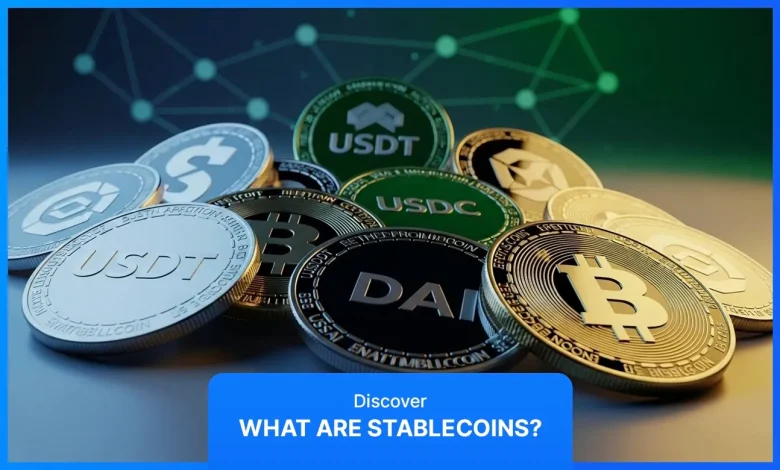
If bitcoin is the store of value narrative, stablecoins are the transactional story. Pegged to fiat currencies — most commonly the US dollar — stablecoins such as USDT, USDC, and newer regulated entrants have become the default medium of exchange within the crypto ecosystem. They combine the programmability and speed of blockchain technology with the price stability users expect from conventional money.
The numbers speak for themselves. Stablecoin transaction volumes now rival and frequently exceed those of major legacy payment networks. Businesses use them for payroll across distributed international teams, freelancers receive compensation in them from clients on the other side of the world, and merchants accept them to sidestep the volatility that once made cryptocurrency impractical for commerce. Settlement finality in minutes rather than days, transaction costs measured in cents rather than percentages, and round-the-clock availability have made stablecoins a compelling alternative to legacy financial infrastructure.
Regulatory clarity in the United States, European Union, and several Asian jurisdictions has further accelerated adoption. With clearer frameworks now in place for stablecoin issuance and reserve requirements, institutional participants have gained the confidence to build products and services on top of these digital dollars.
Real-World Adoption Across Industries
The practical use cases for bitcoin and stablecoins continue to multiply. Remittance corridors between developed and developing nations have been transformed by cryptocurrency, with workers able to send funds home instantly at a fraction of the cost charged by traditional remittance providers. E-commerce platforms integrate crypto payment processors, allowing customers to pay with digital assets while merchants receive fiat settlement if they prefer. Subscription services, SaaS companies, and even brick-and-mortar retailers in crypto-friendly regions have added digital asset payment options to meet customer demand.
Among the industries that have embraced cryptocurrency most enthusiastically, online gaming and entertainment stand out as a particularly instructive example of what widespread, day-to-day crypto usage actually looks like.
Online Poker: A Natural Fit for Cryptocurrency
Online gaming operators face a unique set of challenges when processing payments. They deal with high transaction volumes, frequent deposits and withdrawals, international customer bases, and the ongoing friction of card processors that often decline gaming-related transactions. Cryptocurrency solves many of these problems elegantly, which is why the gaming sector has become one of the most visible proving grounds for digital asset payments.
ACR Poker, one of the most established poker platforms serving international audiences, has positioned itself at the forefront of this shift. By offering bitcoin poker as a first-class deposit and withdrawal method, the platform gives players faster cashouts, lower fees, and greater flexibility than traditional payment rails allow. Funds can move between player wallets and the poker site in minutes, without the holds and reversals that plague credit card deposits or the delays attached to international bank wires.
For players, the benefits extend beyond convenience. Cryptocurrency withdrawals are typically processed significantly faster than bank transfers, which matters considerably when cashing out tournament winnings or bankroll. Transaction reliability tends to be greater than with conventional banking, and the global nature of cryptocurrency means players are not constrained by the banking restrictions of their jurisdiction or the arbitrary decisions of a card issuer.
Why Entertainment Is Driving Mainstream Crypto Adoption
The role of iGaming in cryptocurrency adoption is often understated. Unlike speculative trading, which attracts a relatively narrow demographic, online entertainment reaches a broad and diverse user base. A recreational poker player depositing bitcoin to play a Sunday tournament is, in effect, learning how wallets, blockchain confirmations, and on-chain transactions work — skills that transfer directly to other areas of the digital economy.
This grassroots education effect matters. Each person who successfully deposits crypto into an online platform, watches their balance update, and later withdraws winnings has gained practical experience that a whitepaper or explainer video simply cannot deliver. Entertainment platforms have become, almost accidentally, some of the most effective onboarding mechanisms for cryptocurrency adoption worldwide. The same pattern is visible across fantasy sports, sportsbooks, and digital content platforms that have introduced crypto payment options.
Looking Ahead: Integration, Not Disruption
The narrative around cryptocurrency has shifted meaningfully. Rather than framing digital assets as replacements for the existing financial system, the most credible operators now position them as complementary infrastructure — faster rails for value transfer, programmable money for software-native businesses, and an optional payment method for consumers who want the benefits they offer.
Bitcoin’s role as a long-term store of value continues to strengthen, institutional allocation grows, and the ecosystem of products built around it expands accordingly. Stablecoins, meanwhile, are rapidly becoming the default settlement layer for internet-native commerce, from creator payouts to international payroll to gaming deposits and beyond.
For businesses evaluating whether to integrate cryptocurrency, the question is no longer whether the technology is legitimate or durable. The more pertinent questions are how to implement it well, which partners to work with, and how to give customers the payment choices they increasingly expect. The industries that have already made the leap — online entertainment chief among them — offer a clear template for what successful crypto integration looks like in practice, and the rest of the economy is steadily catching up.