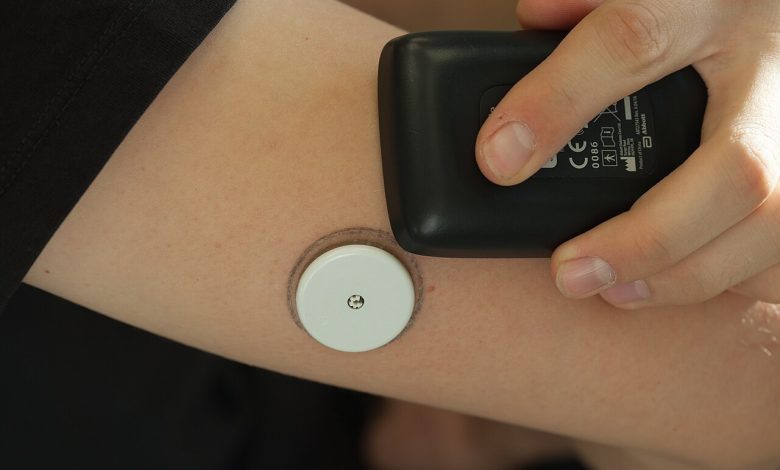
For decades, managing type 2 diabetes meant a handful of finger-prick readings a day and a quarterly lab test that averaged out everything in between. Continuous glucose monitors change that picture completely. A small sensor worn on the arm or abdomen reads glucose every few minutes, day and night, and the accumulating evidence suggests the effect is substantial: people with type 2 diabetes who use the devices spend roughly five more hours a day inside their target blood-sugar range than those relying on traditional testing.
That figure matters because time in range has become one of the most meaningful measures in diabetes care. Every hour spent with glucose too high quietly damages blood vessels, nerves and kidneys; every dip too low brings its own acute risks. Shifting five hours a day from out-of-range to in-range, compounded over months and years, is the kind of change clinicians believe translates into fewer complications. Guidance from the Centers for Disease Control and Prevention increasingly reflects this focus on patterns rather than single readings.
Why Continuous Data Changes Behaviour
The sensor itself does not lower anyone’s blood sugar. What it does is close the feedback loop. A person can watch, in near real time, what a bowl of white rice does to their glucose compared with a walk after dinner, or how a poor night’s sleep shows up in the next morning’s numbers. That visibility turns abstract dietary advice into personal evidence, and study after study finds that the behaviour changes follow: smaller portions of fast-acting carbohydrates, more post-meal movement, and medication taken with far better timing.
Clinicians get something valuable too. Instead of reconstructing three months from a single HbA1c result, they can see overnight lows, dawn rises and post-meal spikes, and adjust treatment against a pattern rather than a guess. Our health technology coverage has followed this shift from episodic testing toward continuous monitoring across several chronic conditions, and diabetes is where the evidence has matured fastest.
From Insulin Users to a Much Wider Group
Continuous monitors were first reserved for people with type 1 diabetes and those with type 2 who used intensive insulin. The newer evidence is pushing the boundary outward, toward the far larger group of type 2 patients managed with oral medication or basal insulin alone. For them, even a limited period on a sensor — a few weeks of structured learning — can reset habits in a way that outlasts the device itself.
Cost and coverage remain the friction. Sensors are consumables, replaced every ten to fourteen days, and reimbursement rules still vary widely between health systems and insurers. The American Diabetes Association has pressed for broader access, arguing that preventing complications is cheaper than treating them, but patients in many places still face restrictive eligibility criteria based on insulin use rather than clinical need.
What the Five Hours Do Not Prove
Enthusiasm should be tempered with a few cautions. Time in range is a strong surrogate, but the long trials that directly count heart attacks, amputations and kidney failure prevented are still accumulating. Sensors also generate data fatigue: alarms at 3 a.m. and a constant stream of numbers can raise anxiety for some users, and readings in the first hours of a new sensor can drift. The technology works best when it arrives with education — someone to explain what a trend arrow means and when to act on it.
Even with those caveats, the direction of travel is clear. Prices are falling, sensors are shrinking, and several devices now integrate directly with phones and watches without a separate receiver. For a condition that affects hundreds of millions of people, a tool that buys back five healthier hours a day — and teaches its user why — looks less like a gadget and more like a standard of care in the making.