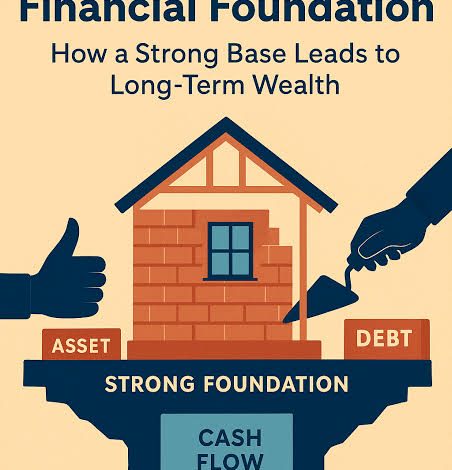
Life throws curveballs. A sudden job loss, a surprise medical bill, an engine that dies on the highway — any of it can unravel your finances fast. Yet most people put off building a real financial base, convinced they need a fat bank account or a finance degree just to start. Wrong on both counts. Small, deliberate moves — repeated consistently — are what actually create stability. And the payoff isn’t just money in the bank. It’s the ability to breathe when things go sideways. Below are five approaches that hold up under pressure.
1. Establish an Emergency Fund Before Other Financial Goals
Start here; no exceptions. Think of an emergency fund as the buffer between a rough week and a full-blown financial crisis — without one, every busted brake line or dead water heater goes straight onto a credit card. Three to six months of essential expenses is the standard target most advisors point to. Sounds daunting. So skip that number for now. A thousand dollars handles a surprising number of common disasters, and hitting that smaller target first builds the kind of momentum that keeps you going. Park the money somewhere separate from your everyday checking — accessible, but not so convenient you’ll dip into it casually. Out of sight, out of reach.
2. Create a Budget That Reflects Your Actual Spending Patterns
Here’s the problem with most budgets: they’re aspirational, not honest. Built on wishful thinking, not real behavior. Track every dollar for a full month first. The results are usually uncomfortable — forgotten subscriptions, daily coffee runs that quietly compound into hundreds, categories where spending ballooned without anyone noticing. But that discomfort is the whole point. Once the real numbers are visible, you can make intentional choices about where money actually goes. Savings, debt payments, fixed costs — all of it gets assigned a purpose. No more guessing. A budget grounded in reality bends when life changes; an idealized one just snaps.
3. Manage and Reduce Debt Strategically
High-interest debt is a leak in the hull. Doesn’t matter how hard you bail — if it’s still there, you’re losing ground. List every debt you carry: credit cards, personal loans, all of it. Note the interest rates and minimums. Then attack. The most common approach is targeting the highest-rate balance first while paying minimums on everything else. Too slow? Knock out the smallest balances first — the psychological wins matter more than people admit. Working with a financial advisor in Scottsdale or wherever you live can help you map out a plan that fits your actual income and obligations, not some generic template. As balances shrink, the money you were throwing at interest payments frees up — suddenly there’s cash to redirect toward savings or investing.
4. Automate Your Savings to Remove Decision Fatigue
Willpower is a finite resource. Spend it on something else. The simplest fix for inconsistent saving is removing the decision entirely — set up an automatic transfer from checking to savings the same day your paycheck lands. Even a small amount. It moves before you can spend it. Think of it like a bill you pay yourself first. Those transfers stack over time into something real. And because it happens automatically, there’s no monthly negotiation with yourself about whether you can “afford” to save this month. You already decided. It’s scheduled.
5. Build Multiple Income Sources or Increase Your Earning Capacity
One income stream is one point of failure. Full stop. A layoff, reduced hours, a company restructuring — any of these hits hard when nothing else is coming in. The fix doesn’t have to be dramatic. Freelance work on weekends. Flipping items you no longer use. Pursuing a certification that justifies a raise at your current job. The goal is diversification. If one stream slows down, others keep you afloat during the gap. Even modest extra income — directed straight at your emergency fund or high-interest debt — moves the needle faster than you’d expect.
Conclusion
None of this requires perfect conditions or a windfall. It requires starting. These five strategies reinforce each other — an emergency fund buys time, a real budget shows where money is hiding, debt reduction frees up cash flow, automation makes saving frictionless, and diversified income adds a safety net beneath the safety net. You don’t need to tackle all five at once. Pick one. Build momentum. Your situation will shift, and your financial foundation should shift with it. Perfection isn’t the goal. Resilience is.


