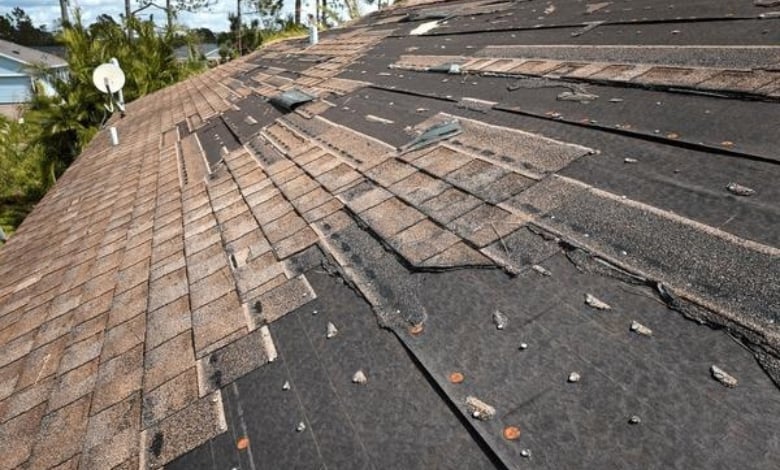
Roof damage often starts small but can quickly turn into serious structural problems. Knowing the warning signs early can help prevent costly repairs and interior damage. Homeowners need to look for signs of water damage, sagging roof areas, mold growth, and more.
Englewood is a densely populated suburban city that sits near the Hudson River in Bergen County, New Jersey. As a primarily residential area close to New York, the city has several single-family residential homes. Being a homeowner in Bergen County is not easy; the city experiences heavy rain, snow, and seasonal storms throughout the year, making roof damage a real problem.
Temperature shifts between hot summers and freezing winters can stress roofing materials. When early damage appears, many homeowners schedule roof repairs in Englewood to prevent leaks from spreading.
Below are six warning signs you should never ignore.
1. Missing or Curling Shingles
Shingles protect your roof from water intrusion. When they begin to curl, crack, or go missing, the underlayment becomes exposed.
Wind, age, and temperature changes are common causes of shingle damage. Even one missing shingle can allow moisture to enter beneath the surface.
Minor Wear vs. Widespread Failure
Minor wear may include a few lifted edges. Widespread failure involves multiple missing shingles or large areas of curling.
2. Water Stains on Ceilings or Walls
Brown or yellow stains on ceilings often signal a roof leak. Water may travel along beams before becoming visible inside your home.
Leaks can lead to mold growth and weakened drywall. If stains continue to expand, the source should be identified quickly.
3. Granules Collecting in Gutters
Asphalt shingles contain protective granules that shield against sun damage. When these granules begin washing into gutters, the shingles are aging or deteriorating.
Granule loss reduces weather resistance. Over time, this increases the risk of cracking and leaks.
4. Sagging Roof Areas
A sagging roof is a serious warning sign. It may indicate trapped moisture, rotting wood, or weakened structural supports.
Sagging sections often worsen with time. This type of damage requires immediate evaluation.
Surface Dip vs. Structural Weakness
A slight uneven appearance may result from minor settling. Structural weakness involves visible drooping or soft spots when pressure is applied.
5. Damaged Flashing Around Roof Features
Flashing seals the areas around chimneys, vents, and skylights. If flashing becomes cracked, rusted, or loose, water can seep into vulnerable areas.
Damaged flashing is a common cause of slow leaks. Because it is located at the roof joints, problems may remain hidden for months.
6. Moss or Mold Growth
Moss holds moisture against roofing materials. Over time, trapped moisture can cause shingle lifting and decay.
Mold growth may signal ongoing water intrusion. While moss may seem cosmetic, it often points to underlying drainage issues.
Cosmetic Issue vs. Moisture Problem
A small amount of surface moss may not cause immediate harm. Thick patches that trap water increase long-term damage risk.
Short-Term Delay vs. Long-Term Consequences
Ignoring minor roof issues may seem harmless at first. However, small leaks and damaged shingles often lead to insulation damage, mold growth, and interior repairs.
Early detection limits structural impact and reduces repair costs.
Steps to Take If You Notice Damage
- Inspect visible roof areas safely from the ground.
- Document any missing shingles or sagging sections.
- Check ceilings and attic spaces for moisture stains.
- Clear debris from gutters to improve drainage.
- Schedule a professional inspection if damage persists.
Taking action quickly prevents larger structural concerns.
Key Takeaways
- Missing or curling shingles expose the roof to moisture.
- Ceiling stains often indicate hidden leaks.
- Granule loss reduces shingle durability.
- Sagging areas may signal structural weakness.
- Damaged flashing can cause slow, hidden leaks.
- Moss growth may trap moisture and speed up decay.
- Early repairs reduce long-term roofing costs.