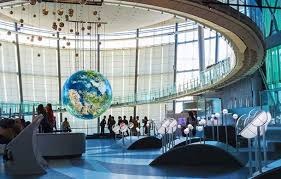
Museums around the world face an important challenge today: how do you protect precious artifacts while also protecting the planet? The answer lies in sustainable museum display solutions that don’t sacrifice visual appeal. Whether you’re a curator, exhibition designer, or museum administrator, understanding how to balance environmental responsibility with aesthetic excellence has become essential in modern museum practice.
Understanding the Need for Sustainable Museum Displays
The museum industry has traditionally been resource-intensive. From climate-controlled environments running around the clock to the materials used in exhibition construction, museums consume significant energy and materials. Recent studies show that museums can reduce their carbon footprint by up to 83% through strategic changes in lighting and display systems alone.
But sustainability isn’t just about reducing energy consumption. It’s about making thoughtful choices throughout the entire lifecycle of a museum showcase, from the materials selected during manufacturing to how these display cases are maintained and eventually repurposed. Modern museum showcase designs now incorporate advanced features like modular construction, energy-efficient micro-climate control systems, and ultra-white low-reflective glass that maximizes visibility while minimizing environmental impact.
The good news? Sustainable practices and stunning aesthetics are no longer mutually exclusive. In fact, many sustainable solutions enhance the visual experience for visitors while simultaneously protecting the artifacts and the environment.
Key Principles of Sustainable Museum Showcase Design
Material Selection: The Foundation of Sustainability
The materials you choose for your museum displays have lasting environmental consequences. Traditional display cases often used materials that emitted volatile organic compounds (VOCs) and other harmful chemicals that could damage both artifacts and the environment.
Modern sustainable museum showcases prioritize inert and eco-friendly materials that pass rigorous testing standards. The Oddy test, developed at the British Museum in 1973, evaluates whether materials are safe for use around precious artifacts. Materials that pass this test emit no harmful chemicals or VOCs that could cause corrosion or degradation over time.
When selecting materials, consider these sustainable options:
- Recycled and Recyclable Materials: Look for aluminum frames, steel components, and glass that contains recycled content. These materials maintain structural integrity while reducing demand for virgin resources.
- FSC-Certified Wood: If your display requires wooden elements, choose Forest Stewardship Council certified wood from responsibly managed forests. This ensures your display doesn’t contribute to deforestation.
- Low-Emission Adhesives and Sealants: Traditional adhesives can off-gas harmful chemicals for years. Opt for water-based, low-VOC alternatives that have been tested for museum use.
- Precision-Cut Materials: Advanced manufacturing techniques minimize waste during production. Precision cutting technology can reduce material waste by up to 40% compared to traditional methods.
Energy-Efficient Climate Control Systems
Maintaining stable temperature and humidity levels has historically been one of the most energy-intensive aspects of museum operations. The American Institute for Conservation recommends maintaining relative humidity between 45-55% and temperature between 59-77 degrees Fahrenheit for most artifacts.
Sustainable museum showcases incorporate innovative micro-climate control systems that reduce energy consumption while protecting collections:
- Passive Climate Control: Systems using specially designed silica gel cassettes can maintain stable humidity levels without electricity. These materials absorb excess moisture when humidity rises and release it when conditions become too dry, creating a naturally balanced environment.
- Active Climate Systems: When more precise control is needed, modern active systems use energy-efficient technology to maintain humidity within ±1.5% of target levels. These systems incorporate positive air pressure to prevent external pollutants from entering the display space while using minimal energy.
- Superior Airtightness: Advanced sealing technology ensures display cases maintain minimal air exchange—no more than 0.1 per 24 hours. This exceptional airtightness reduces the workload on climate control systems and protects artifacts from environmental fluctuations.
Revolutionary LED Lighting Solutions
Lighting presents a unique challenge in museum displays. You need sufficient illumination for visitors to appreciate artifacts, yet light itself can cause irreversible damage through photochemical reactions and heat.
LED technology has transformed museum lighting, offering multiple sustainability benefits:
- Dramatic Energy Savings: LED lights consume up to 83% less energy than traditional halogen bulbs. In a typical gallery with 34 display lights, switching to LED can save over $4,600 in energy costs over ten years.
- Extended Lifespan: Quality LED lights last up to 100,000 hours compared to 2,000-5,000 hours for halogen bulbs. This longevity significantly reduces maintenance costs and waste from frequent lamp replacements.
- Minimal Heat Emission: Unlike halogen bulbs that can heat display cases to damaging levels, LEDs emit minimal heat. This protects temperature-sensitive artifacts and reduces cooling requirements.
- No UV Radiation: LEDs produce virtually no ultraviolet or infrared radiation, both of which can cause fading, discoloration, and material degradation in artifacts.
- Superior Color Rendering: High Color Rendering Index (CRI) LEDs with values above 90 ensure artifacts appear in their true colors, enhancing the visitor experience while using less energy.
Modular Design: Flexibility Meets Sustainability
One of the most impactful sustainability strategies involves designing museum showcases that can be reconfigured, expanded, or repurposed rather than discarded when exhibitions change.
Benefits of Modular Museum Showcases
- Reduced Construction Waste: Traditional fixed exhibitions generate tons of waste when dismantled. Modular systems eliminate this waste by allowing components to be reused indefinitely.
- Adaptable Configurations: Modular designs can be reconfigured to accommodate different artifacts, exhibition layouts, or spatial requirements without requiring new construction.
- Cost Savings: While initial investment in quality modular systems may be higher, the ability to reuse components for multiple exhibitions delivers significant long-term savings.
- Quick Installation: Modular systems can be assembled and disassembled efficiently, reducing labor costs and allowing for more frequent exhibition rotations.
- Future-Proof Investment: As exhibition needs evolve, modular systems adapt rather than becoming obsolete, protecting your investment over decades.
Modern modular museum showcase systems feature invisible hanging mechanisms, minimalist frames, and flexible layouts that enhance rather than detract from aesthetic appeal. The combination of functional flexibility and visual sophistication makes modular design an essential component of sustainable museum planning.
Aesthetic Excellence Through Sustainable Design
Many museum professionals initially worry that sustainable choices will compromise visual quality. The reality demonstrates the opposite—sustainability often enhances aesthetics.
Ultra-White Low-Reflective Glass
Advanced glass technology provides 360-degree panoramic display while minimizing distracting reflections. This innovation improves visitor experience by allowing unobstructed views of artifacts while maintaining UV protection and energy efficiency.
Minimalist Design Philosophy
Sustainable design naturally aligns with minimalist aesthetics that keep focus on the artifacts themselves. Clean lines, invisible supports, and thoughtful lighting create sophisticated displays that feel contemporary and timeless.
Immersive Exhibition Environments
Sustainable showcases can strengthen thematic atmosphere and enhance visitor immersion through thoughtful design. Rather than overwhelming spaces with unnecessary elements, sustainable approaches create focused, impactful displays that resonate with visitors.
The Role of Certification and Standards
When planning sustainable museum showcases, look for manufacturers who hold internationally recognized certifications that demonstrate commitment to quality and environmental responsibility.
ISO 9001 Certification: This quality management standard ensures consistent manufacturing processes, rigorous quality control, and customer satisfaction. It demonstrates that the manufacturer follows systematic procedures to deliver reliable products.
ISO 14001 Certification: This environmental management standard confirms adherence to resource efficiency, waste reduction, and environmental protection practices. Manufacturers with this certification have systems in place to minimize environmental impact throughout production.
National High-Tech Enterprise Recognition: In some regions, manufacturers receive recognition for holding numerous technical patents and demonstrating innovation in their field. This designation indicates ongoing research and development investment in advanced, sustainable solutions.
These certifications provide assurance that your museum showcases meet the highest industry benchmarks for both quality and sustainability.
Implementing Sustainable Practices: A Step-by-Step Approach
Step 1: Conduct a Comprehensive Needs Assessment
Begin by thoroughly evaluating your exhibition requirements. Consider the types of artifacts you’ll display, their conservation needs, space constraints, and expected exhibition duration. This assessment helps prevent over-engineering solutions that waste resources while ensuring all essential protection requirements are met.
Step 2: Partner with Experienced Manufacturers
Select manufacturers with proven expertise in sustainable museum display solutions. Look for companies that offer customized services tailored to cultural and museum facilities. Experienced manufacturers can guide you through material selection, climate control options, and design configurations that optimize both sustainability and aesthetics.
Step 3: Prioritize Long-Term Value
Evaluate options based on total lifecycle costs rather than just initial purchase price. High-quality sustainable showcases may require larger upfront investment but deliver substantial savings through reduced energy consumption, minimal maintenance requirements, and decades of reliable service.
Step 4: Plan for Flexibility
Design exhibitions with future adaptability in mind. Choose modular systems that can be reconfigured for different artifacts or exhibitions. This forward-thinking approach maximizes return on investment while minimizing future waste and resource consumption.
Step 5: Implement Comprehensive Environmental Controls
Don’t stop at the showcase itself. Consider the broader gallery environment, including HVAC systems, ambient lighting, and visitor traffic patterns. Coordinating these elements creates optimal conditions for artifact preservation while minimizing overall energy consumption.
Real-World Impact: Sustainability in Action
Museums implementing sustainable showcase solutions report impressive results. The Getty Museum’s transition to LED lighting demonstrated 83% reduction in energy consumption with full cost recovery in just three years. By year ten, total savings including maintenance reached nearly $10,000 for a single gallery space.
Beyond immediate cost savings, sustainable museum showcases contribute to broader institutional goals. Museums adopting these practices demonstrate environmental leadership that resonates with visitors, donors, and community stakeholders. Many visitors appreciate knowing that institutions they support are taking meaningful action on climate change.
Addressing Common Concerns
Won’t sustainable materials be more expensive?
While some sustainable materials carry premium pricing, total lifecycle costs typically favor sustainable options. Energy savings, reduced maintenance, and extended lifespan often result in lower overall expenditure. Additionally, as sustainable manufacturing scales up, costs continue to decrease.
Will LED lighting affect how artifacts look?
Modern high-CRI LEDs actually provide superior color rendering compared to traditional lighting. With proper specification—CRI values above 90 and appropriate color temperature selection—LEDs reveal artifacts in their truest colors while protecting them from harmful radiation.
Can modular systems look as elegant as custom builds?
Absolutely. Contemporary modular museum showcases feature sophisticated engineering that makes connection points invisible and creates seamless aesthetic integration. Many visitors cannot distinguish between modular and fixed installations, yet the modular system offers far greater sustainability and flexibility.
Future Trends in Sustainable Museum Showcases
The museum display industry continues evolving toward more sustainable solutions. Emerging innovations include:
- Smart Climate Systems: Artificial intelligence and IoT sensors optimize climate control by learning artifact requirements and environmental patterns, reducing energy consumption while improving protection.
- Circular Economy Models: Some manufacturers now offer take-back programs where old display cases are refurbished and reused, or materials are recycled into new products, creating closed-loop systems with minimal waste.
- Bio-Based Materials: Research into plant-based alternatives to traditional plastics and composites may soon provide even more sustainable material options without compromising performance.
- Energy Harvesting: Experimental systems capture energy from ambient light or visitor movement to power showcase systems, further reducing grid electricity dependence.
Practical Implementation Tips
When moving forward with sustainable museum showcase planning, keep these practical considerations in mind:
- Engage Stakeholders Early: Include conservators, designers, facilities managers, and exhibition staff in planning discussions. Their diverse perspectives help identify opportunities and potential challenges.
- Document Everything: Maintain detailed records of materials, specifications, and performance data. This documentation supports future decision-making and demonstrates sustainability impact to stakeholders.
- Consider Local Suppliers: When possible, source showcases and components from regional manufacturers to reduce transportation emissions and support local economies.
- Train Your Team: Ensure staff understand proper operation and maintenance of sustainable systems to maximize performance and longevity.
- Communicate Your Efforts: Share your sustainability initiatives with visitors through exhibition labels, website content, and social media. This transparency builds trust and may inspire other institutions.
The Business Case for Sustainable Museum Showcases
Beyond environmental benefits, sustainable museum showcases make excellent business sense:
- Reduced Operating Costs: Lower energy consumption and maintenance requirements free budget resources for collection development, programming, and community outreach.
- Enhanced Reputation: Demonstrated commitment to sustainability strengthens institutional brand and can attract funding from environmentally conscious donors and granting organizations.
- Regulatory Compliance: As environmental regulations tighten worldwide, sustainable practices position museums ahead of compliance requirements rather than scrambling to meet new standards.
- Competitive Advantage: Museums with cutting-edge sustainable infrastructure can attract higher-profile exhibitions and partnerships that might otherwise choose venues with more advanced facilities.
- Staff Satisfaction: Research shows that employees feel more engaged and proud working for organizations with strong environmental values, potentially improving retention and recruitment.
Conclusion: Sustainability as a Museum Imperative
Planning sustainable museum showcases without compromising aesthetics is not only possible—it’s increasingly essential. As cultural institutions serving public good, museums have both opportunity and responsibility to demonstrate environmental leadership while fulfilling their core mission of preserving and presenting human heritage.
The most effective approach integrates sustainability from the very beginning of exhibition planning rather than treating it as an afterthought. By carefully selecting eco-friendly materials, implementing energy-efficient climate control and lighting systems, embracing modular design principles, and partnering with experienced manufacturers who hold relevant environmental certifications, museums can create stunning exhibitions that protect both artifacts and the planet.
The evidence is clear: sustainable museum showcases deliver superior long-term value through reduced operating costs, enhanced artifact protection, improved visitor experience, and meaningful environmental impact reduction. These benefits position sustainability not as a constraint on museum practice but as an opportunity to innovate, lead, and inspire.
As you plan your next exhibition, remember that every choice matters. The showcase you select today will influence energy consumption, material waste, and carbon emissions for years or even decades to come. By choosing sustainable solutions that embrace both environmental responsibility and aesthetic excellence, you contribute to a museum sector that honors the past, serves the present, and protects the future.
The question is no longer whether museums can afford to prioritize sustainability—it’s whether they can afford not to.