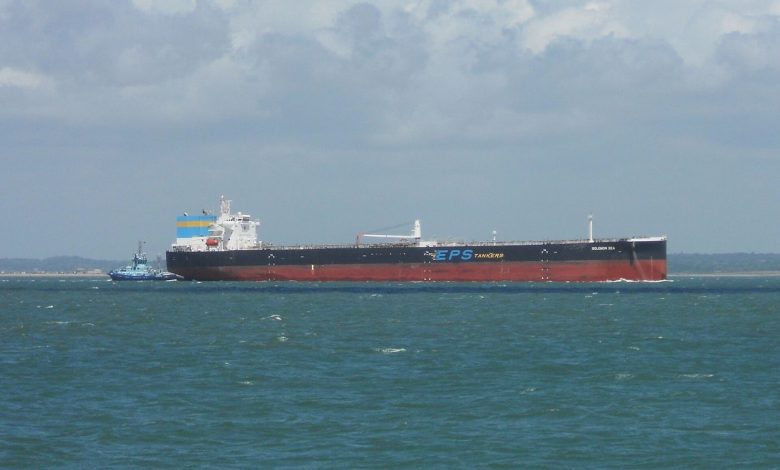
Iran’s Revolutionary Guards said on November 26 that two oil tankers had exploded and caught fire after hitting sea mines north of Oman’s Khasab port while attempting to cross the Strait of Hormuz through an unauthorised route, Reuters reported. One of the vessels was a supertanker carrying more than two million barrels of crude, according to news roundups. The claims have not been independently confirmed. The Guards said the tankers were using a route that had not been authorised for transit. The incident comes amid heightened tensions in the Gulf, where attacks on shipping have repeatedly pushed oil prices higher and raised fears of a wider conflict.
What the Evidence Shows
The Strait of Hormuz is the world’s most important oil chokepoint, carrying about a fifth of global petroleum liquids, and any threat to shipping there sends shockwaves through energy markets. Brent crude rose above $91 a barrel on November 26, extending gains driven by attacks on tankers and Saudi infrastructure. The Saudi-led coalition said it had intercepted two Houthi ballistic missiles heading for Riyadh and two drones over the Eastern Province on the same day. With the US urging its citizens to leave Iran and naval tensions rising, the tanker explosions underline how quickly a local incident in the Gulf can become a global energy and security concern. Reporting and analysis from sources such as Reuters track the same developments, and specialists following the tanker explosions near Oman say the direction is now consistent across independent lines of evidence.
The Wider Context
The wider context is a public conversation conducted at a speed institutions were not built for. Developments around the tanker explosions near Oman are announced, contested and revised within a single news cycle, and the officials involved have learned to publish evidence alongside claims so that scrutiny can actually occur. Trust, the polling suggests, follows that transparency more than it follows confidence.
What Happens Next
What happens next in the story of the tanker explosions near Oman will be decided in the places where it is being implemented, measured and argued about in public. The officials and organisations involved have committed to publishing progress data, and that commitment gives residents, businesses and journalists something firmer than promises to judge. The next milestones are dated, which means they can be checked. You can follow related developments in our coverage of news.
There is a practical lesson in all of this for readers deciding what to do today. Start with the verified facts, be wary of anyone promising certainty, and prefer reversible steps while the evidence is still developing. Circumstances differ by country, income and personal situation, so general guidance should always be weighed against your own context before you act on it in any significant or lasting way.