Introduction
Skin and coat problems are common concerns for dog and cat owners. A pet may scratch more often, lick its paws, rub against furniture, or develop dry and irritated-looking skin. Some pets may also show changes in their coat, such as extra shedding, dullness, or flaky patches. These signs can be uncomfortable for the animal and worrying for the owner. However, they do not always point to the same cause. Skin irritation may be linked to allergies, parasites, infections, grooming habits, or other health concerns. Understanding the possible reasons is a useful first step before choosing a product.
Pet skin care includes several different product types, and each has its own purpose. Shampoos, sprays, spot-on products, and prescription tablets should not be treated as interchangeable options. A product that helps with cleaning the coat may not address an underlying medical condition. In the same way, a prescription medicine is not a general grooming product. Owners can make better choices by observing their pet's symptoms, checking product labels, and seeking veterinary advice when needed.
Recognising Changes in Skin and Coat Health
The first step in understanding a skin concern is noticing what has changed. A dog that scratches after spending time outdoors may have a different trigger from a cat that frequently licks one area of its body. Redness, hair loss, scabs, unpleasant smells, and repeated ear irritation are also worth noting. The location of the problem can provide useful information. For example, discomfort around the paws, ears, belly, or face may help a veterinarian decide what to examine. Keeping a short record of these signs can make a consultation more helpful.
It is also important to notice how long the problem has been present and whether it is getting worse. Occasional scratching may not mean the same thing as constant itching that interrupts sleep or normal activity. Owners should avoid assuming that every skin problem is an allergy. Fleas, mites, bacterial or yeast infections, and other conditions can produce similar signs. If the pet has open sores, significant swelling, severe discomfort, or rapidly worsening symptoms, veterinary attention is important. Early assessment can help prevent an unresolved problem from becoming more difficult to manage.
Exploring Different Types of Skin Care Products
Pet skin care products come in several forms. Shampoos are applied during bathing and may be selected for particular coat or skin-care needs. Sprays offer a different application method, while spot-on products are supplied in small pipettes and are used according to their own instructions. Prescription tablets are different again because they work through the body and require professional assessment. The right product depends on the animal, the concern being addressed, and the directions provided for that specific product.
Owners comparingpet skin care products should read the product descriptions carefully rather than choosing by name or appearance alone. Check whether the item is intended for dogs, cats, or both, and confirm its form, pack size, and stated purpose. A product listed for dogs should not automatically be used on a cat. Likewise, a shampoo should not be considered a substitute for a prescription medicine. Vetra Recare's skin and allergy range includes different product forms, so checking each individual listing helps avoid confusion between grooming care and medical treatment.
Building a Suitable Care Routine for Pets
A useful skin-care routine starts with regular observation and gentle handling. Owners can check their pet's coat during brushing and look for unusual flakes, redness, small bumps, or areas of hair loss. Grooming tools should suit the animal's coat type, and bathing should follow the advice given for the selected product. Using too many products at once can make it harder to understand what is helping or causing irritation. It is usually better to keep the routine simple and make changes with a clear reason.
The home environment may also be worth reviewing. Bedding, cleaning products, outdoor exposure, and contact with other animals can all be relevant when a pet develops skin symptoms. Washable bedding should be kept clean, and grooming items should be suitable for the animal. Owners should not apply human skin creams, essential oils, or household treatments without checking with a veterinarian. Some ingredients that seem harmless to people may be unsuitable for pets. If symptoms continue despite basic care, a veterinary examination can help identify whether a medical treatment or a change in routine is needed.
Understanding Prescription Options for Canine Skin Conditions
Some dogs experience ongoing itching linked to allergic skin conditions. When a veterinarian considers prescription treatment, the choice depends on the dog's history, examination, and individual health needs. Prescription medicines are different from shampoos, coat sprays, and supplements. They may have specific precautions, monitoring needs, and instructions that owners must understand before treatment begins. It is important not to use another animal's medicine or change a prescribed plan without professional guidance.
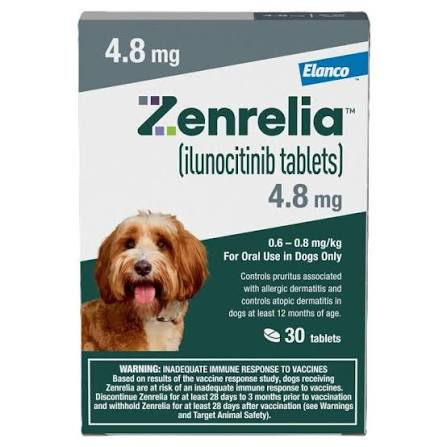
One product listed for dogs is Zenrelia, which contains ilunocitinib and is supplied as a prescription tablet. Owners researchingZenrelia product information should check the exact strength and pack presentation rather than relying only on the brand name. The Vetra Recare listing shows a 4.8 mg, 90-tablet presentation and notes that other strengths are listed. Prescription and supply requirements must be confirmed before ordering. The medicine also has important veterinary considerations, including vaccination planning, so owners should discuss its suitability and relevant precautions with their veterinarian.
Conclusion
Itchy skin and coat changes can have several possible causes, which is why choosing a product should begin with understanding the problem. Grooming products, sprays, spot-on care, supplements, and prescription medicines each have different roles. Checking the animal information, ingredients, form, and pack details can help owners avoid selecting something unsuitable. It is also useful to record changes in scratching, licking, redness, and coat condition so that a veterinarian has clear information when assessing the pet.
Good skin care is not about using the largest number of products. It is about choosing appropriate care and following reliable instructions. Owners should seek veterinary advice when symptoms persist, become severe, or return repeatedly. Prescription products should only be used under professional direction, while grooming products should be applied according to their labels. With careful observation and informed choices, owners can take a more organised approach to supporting healthy skin and comfortable coats in dogs and cats.