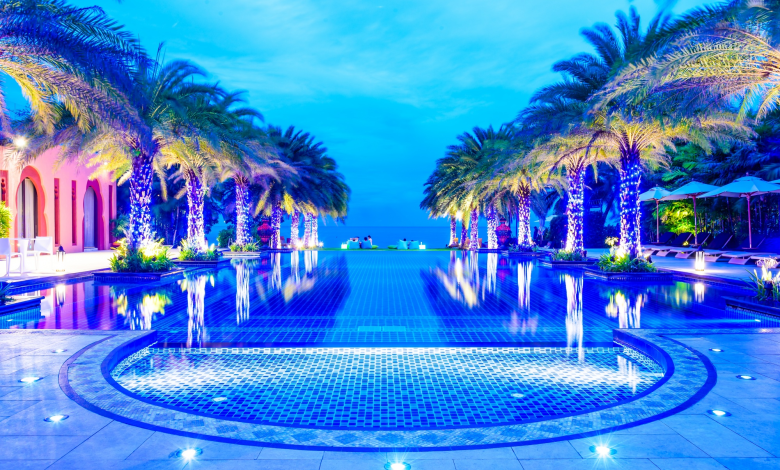
Walk into a resort ballroom set for a modern corporate gala and you may notice that the room itself seems alive. Light ripples across the ceiling, the walls shift from ocean blue to sunset gold, and video content flows seamlessly from the stage screens onto surrounding surfaces.
That effect is no accident. It is the result of pixel mapping, a technique that treats every light source and display in a space as part of one coordinated digital canvas. Media server solutions in Hawaii have made this level of visual storytelling achievable in venues across the islands, giving planners a powerful way to transform familiar spaces into unforgettable environments.
For planners who have heard the term but are unsure what it involves, this guide explains how pixel mapping works, why it is so effective in hotel and resort settings, and what it takes to execute it successfully.
What Pixel Mapping Actually Means
At its core, pixel mapping is the process of assigning portions of a video image to individual light sources. Instead of programming each fixture separately, a technician tells the system exactly where every LED, light bar, or display panel sits within the room. The software then plays video content across that layout as though all of those elements were a single screen.
Imagine a ballroom ceiling lined with hundreds of LED tubes. Without pixel mapping, each tube might glow a single color or follow a basic chase pattern. With pixel mapping, those same tubes can display a slow moving wave, a gradient that matches the brand palette, or a full motion graphic that travels from one end of the room to the other. The fixtures become pixels in a much larger image.
Pixel Mapping and Projection Mapping: Understanding the Difference
The two terms are often used interchangeably, but they describe different approaches. Projection mapping uses projectors to cast precisely aligned images onto physical surfaces such as walls, columns, or stage scenery. Pixel mapping, by contrast, drives content through light emitting sources like LED fixtures, strips, and panels.
Many of the most impressive ballroom designs combine both. Projectors may cover the walls with custom artwork while pixel mapped LED elements on the ceiling and stage edges echo the same colors and motion. When both systems run from the same playback engine, the entire room moves in harmony.
The Technology Behind the Effect
Several components work together to create a pixel mapped environment:
- Media servers: High performance playback computers store the content and output it in real time, often at resolutions far beyond a standard video feed.
- Mapping software: Programs translate video into data that each fixture can understand, based on a virtual model of the room.
- Control protocols: Standards such as DMX, Art-Net, and sACN carry instructions from the server to thousands of individual lighting channels.
- LED fixtures and displays: Tubes, strips, panels, and moving lights serve as the physical pixels that bring the content to life.
- Network infrastructure: Reliable data distribution keeps every element synchronized, even across large rooms.
The media server is the heart of the system. It handles content playback, timing, and layering, which allows designers to blend live camera feeds, prerecorded video, and generative graphics in a single show.
Why Resort Ballrooms Are Ideal Canvases
Hotel ballrooms are designed for flexibility. They host breakfast meetings in the morning, breakout sessions in the afternoon, and awards dinners in the evening. That versatility often means neutral finishes and plain walls, which can feel generic for a high profile event.
Pixel mapping solves that problem without heavy scenic construction. Because the transformation comes from light and content rather than physical décor, the same room can shift from a calm, professional look during a keynote to an energetic, immersive atmosphere for an evening celebration. Planners gain multiple distinct environments from a single room, often with a single load-in.
Resort venues in Hawaii offer an additional advantage. The natural surroundings provide endless creative inspiration. Content inspired by trade winds, rolling surf, volcanic landscapes, and island sunsets can bring the outside world into the room, reinforcing the destination experience that drew attendees to the islands in the first place.
Practical Applications for Corporate Events
Pixel mapping supports a wide range of event goals. Common uses include:
- Brand immersion, where corporate colors and motion graphics surround the audience during opening sessions.
- Product reveals, in which the entire room responds the moment a new offering appears on stage.
- Awards ceremonies, with lighting that reacts to each winner announcement.
- Gala dinners and receptions that move through several themed looks during the evening.
- Music and entertainment segments where visuals sync precisely to live performers.
Planning a Successful Pixel Mapped Event
Because pixel mapping depends on precise placement and programming, early planning is essential. Production teams typically begin with a detailed site survey and a CAD model of the ballroom. This model guides fixture placement and becomes the virtual map the software uses during the show.
Content creation should begin well before the event. Designers need to know the exact layout and resolution of the mapped surfaces so that artwork displays correctly.
Venue coordination is equally important. Rigging points, power availability, ceiling heights, and load-in windows all influence what is possible. Experienced local crews familiar with resort properties can anticipate these constraints and design around them, saving time and avoiding costly revisions.
Finally, reliable systems include redundancy. Backup media servers and carefully tested networks ensure that a single equipment issue does not interrupt a critical moment on stage.
Measuring the Impact
The value of pixel mapping goes beyond aesthetics. Immersive environments hold attention, increase emotional engagement, and make key messages more memorable. Attendees are also more likely to capture and share photos and videos of striking spaces, extending the reach of the event well beyond the room. Those benefits help justify the production budget.
Bringing the Vision to Life
Pixel mapping turns ordinary rooms into dynamic storytelling environments, and resort ballrooms are among the best places to put it to work. With thoughtful planning, the right playback technology, and skilled technicians, a single space can deliver a series of powerful moments that attendees will remember long after they return home.
Planners ready to explore what immersive visuals can do for their next island program will find a capable partner in Mid-Pacific Audio Visual, LLC, whose experience with resort venues and advanced playback systems helps bring ambitious creative concepts to life with precision and reliability.