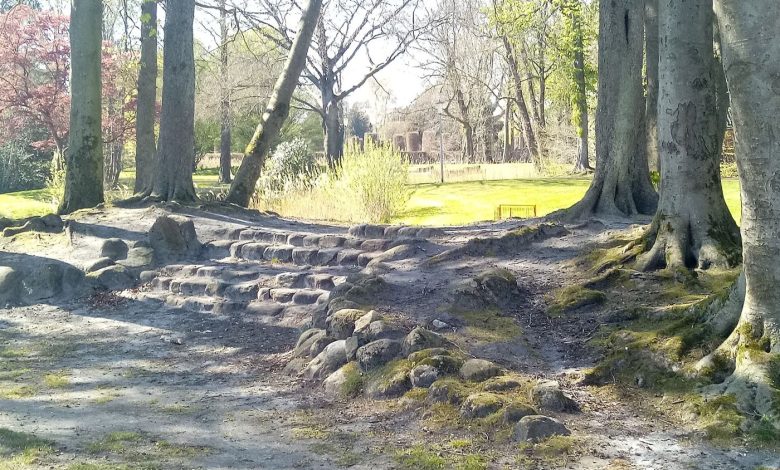
City parks are being surveyed as wildlife habitats in their own right after ecologists found that varied tree canopies support far more birds, insects and fungi than neatly uniform plantings. A mix of native species, different ages and layered undergrowth creates food and shelter across the seasons, turning an ordinary park into a functioning ecosystem. Councils managing tight budgets say biodiversity surveys help decide which trees to protect, plant and replace first.
What the Evidence Shows
Survey teams record nesting sites, flowering times and deadwood, which many species depend on even though it can look untidy to visitors expecting manicured grounds everywhere they walk. Planting plans now favour diverse species so disease or drought affecting one type cannot strip a park of its entire canopy within a few years. Friends groups are recruiting volunteers to monitor wildlife through the year, building local evidence for keeping parks chemical-light and rich in habitat. Reporting and analysis from sources such as Reuters track the same developments, and specialists following city park tree canopy biodiversity say the direction is now consistent across independent lines of evidence.
The Wider Context
The wider context is a public conversation conducted at a speed institutions were not built for. Developments around city park tree canopy biodiversity are announced, contested and revised within a single news cycle, and the officials involved have learned to publish evidence alongside claims so that scrutiny can actually occur. Trust, the polling suggests, follows that transparency more than it follows confidence.
What Happens Next
What happens next in the story of city park tree canopy biodiversity will be decided in the places where it is being implemented, measured and argued about in public. The officials and organisations involved have committed to publishing progress data, and that commitment gives residents, businesses and journalists something firmer than promises to judge. The next milestones are dated, which means they can be checked. You can follow related developments in our coverage of news.
There is a practical lesson in all of this for readers deciding what to do today. Start with the verified facts, be wary of anyone promising certainty, and prefer reversible steps while the evidence is still developing. Circumstances differ by country, income and personal situation, so general guidance should always be weighed against your own context before you act on it in any significant or lasting way.
It is also worth remembering how quickly the picture in this area has changed before. Positions that looked settled a few years ago have been revised as new data arrived, and the same humility is appropriate now. The strongest coverage of this subject, and the most useful advice, tends to come from sources that update their views openly when the facts move, rather than defending an earlier position long after it has stopped fitting the evidence available.