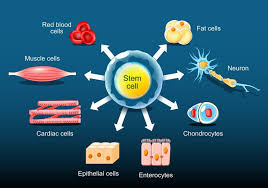
Stem cell therapy is rapidly becoming one of the most discussed innovations in modern medicine. It offers a regenerative approach to healing by using the body’s own repair system rather than relying solely on medication or surgery. This treatment has gained attention for its potential to help manage chronic diseases, repair damaged tissues, and improve overall quality of life. In this article, we will explore how stem cell therapy works, its types, benefits, risks, and who may benefit from it.
What Is Stem Cell Therapy?
Stem cell therapy is a form of regenerative medicine that uses stem cells to repair or replace damaged tissues in the body. Stem cells are special because they can transform into different types of cells depending on what the body needs. Instead of simply managing symptoms, this therapy aims to support the body’s natural healing process at a cellular level. It is being studied and used for a wide range of conditions, particularly those involving tissue damage or degeneration.
Types of Stem Cells Used in Treatment
There are several types of stem cells used in medical treatments, each with unique properties. Embryonic stem cells are derived from early-stage embryos and are highly versatile because they can become almost any type of cell in the body. However, their use is often limited due to ethical concerns.
Adult stem cells are found in tissues such as bone marrow and fat. These cells are more limited in what they can become, but they are widely used in treatments because they are easier to obtain and pose fewer ethical issues.
Induced pluripotent stem cells are adult cells that have been reprogrammed to behave like embryonic stem cells. This makes them highly flexible and useful for research and potential therapies without the ethical concerns of embryonic cells.
Mesenchymal stem cells are among the most commonly used in clinical treatments. They are found in bone marrow, fat tissue, and umbilical cord tissue. These cells are known for their ability to reduce inflammation and support tissue repair, making them especially valuable in regenerative medicine.
How Stem Cell Therapy Works
The process of stem cell therapy begins with collecting stem cells from either the patient’s own body or a donor. This is typically done using bone marrow or fat tissue, depending on the treatment plan. Once collected, the cells are carefully processed in a laboratory where they are separated, purified, and concentrated to increase their effectiveness.
After processing, the stem cells are introduced into the targeted area of the body through injection or implantation. This could be a damaged joint, injured tissue, or an area affected by disease. Once inside the body, the stem cells begin their regenerative work by reducing inflammation, promoting tissue repair, and stimulating the growth of new healthy cells. Over time, this process can help restore function and reduce pain in the affected area.
Medical Conditions Treated with Stem Cell Therapy
Stem cell therapy is being explored for a wide range of medical conditions. In orthopedic medicine, it is commonly used for joint pain, osteoarthritis, tendon injuries, and ligament damage. Many patients with chronic musculoskeletal problems seek this treatment as an alternative to surgery.
In neurology, stem cell therapy is being studied for conditions such as Parkinson’s disease, multiple sclerosis, and spinal cord injuries. These conditions often involve nerve damage, and stem cells may help support repair and regeneration.
Autoimmune diseases such as lupus and rheumatoid arthritis are also areas where stem cell therapy shows promise. By helping regulate the immune system, stem cells may reduce inflammation and slow disease progression.
Cardiovascular conditions are another focus area. Patients recovering from heart attacks or dealing with chronic heart disease may benefit from therapies that help repair heart tissue and improve function.
In addition to medical uses, stem cell therapy is also being explored in cosmetic and anti-aging treatments, including skin rejuvenation and hair restoration, where it may help improve appearance and tissue health.
Benefits of Stem Cell Therapy
One of the main advantages of stem cell therapy is that it is minimally invasive. Most procedures involve injections rather than major surgery, which reduces recovery time and risks associated with surgical interventions.
Another benefit is that it uses the body’s own biological material in many cases, which lowers the risk of rejection or allergic reaction. This makes it a more natural approach to healing compared to synthetic drugs or implants.
Patients often experience faster recovery times, especially when compared to traditional surgical treatments. Because the therapy works by supporting the body’s own repair mechanisms, healing can occur more efficiently in some cases.
In addition, stem cell therapy has the potential to provide long-lasting results. Instead of simply masking symptoms, it may address the underlying cause of tissue damage or degeneration.
Risks and Limitations of Stem Cell Therapy
Despite its potential, stem cell therapy does have limitations. One of the major concerns is the lack of strict regulation in some regions, which means that not all clinics offer safe or scientifically proven treatments. This makes it important for patients to choose reputable medical providers.
Another limitation is that results can vary significantly from person to person. Factors such as age, overall health, and severity of the condition can influence how effective the treatment is.
There are also some potential side effects, although they are generally rare. These may include infection at the injection site, immune reactions, or unintended cell growth.
Finally, the cost of stem cell therapy can be quite high, and in many cases, it is not covered by insurance. This makes accessibility a challenge for some patients.
Who Can Benefit from Stem Cell Therapy?
Stem cell therapy may be beneficial for individuals suffering from chronic pain or long-term injuries, especially those related to joints, muscles, or connective tissues. People with degenerative conditions that worsen over time may also see improvements, as the therapy focuses on regeneration rather than symptom control.
It can also be a suitable option for patients who want to avoid surgery or are not ideal candidates for invasive procedures. Many individuals who are looking for alternative treatments for conditions like arthritis or sports injuries explore stem cell therapy as part of their recovery plan.
Generally, individuals who are in good overall health tend to respond better to the treatment because their bodies are more capable of supporting the healing process.
Who Should Avoid Stem Cell Therapy?
Stem cell therapy is not suitable for everyone. People with active infections or certain types of cancer may not be eligible for treatment. Pregnant women are also typically advised to avoid it due to limited research on safety in pregnancy.
Additionally, individuals with severe chronic illnesses that significantly affect the body’s ability to heal may not experience strong benefits from this therapy. A full medical evaluation is always necessary before proceeding.
Future of Stem Cell Therapy
Research in stem cell therapy is expanding rapidly, and scientists are continuing to explore its potential for treating complex conditions such as Alzheimer’s disease, diabetes, organ failure, and genetic disorders. As technology advances, stem cell treatments are expected to become more refined, effective, and widely available.
Clinical trials around the world are helping to improve understanding of how stem cells behave in the body and how they can be used safely and effectively. This ongoing research is likely to shape the future of regenerative medicine.
Conclusion
Stem cell therapy represents a major breakthrough in medical science, offering hope for conditions that were once considered difficult or impossible to treat. By focusing on regeneration and repair at the cellular level, it provides a new approach to healing that goes beyond traditional medicine.
However, while the potential is significant, it is important for patients to approach this treatment with realistic expectations and proper medical guidance. Consulting a qualified healthcare professional is essential before considering stem cell therapy to ensure safety and suitability for individual conditions.