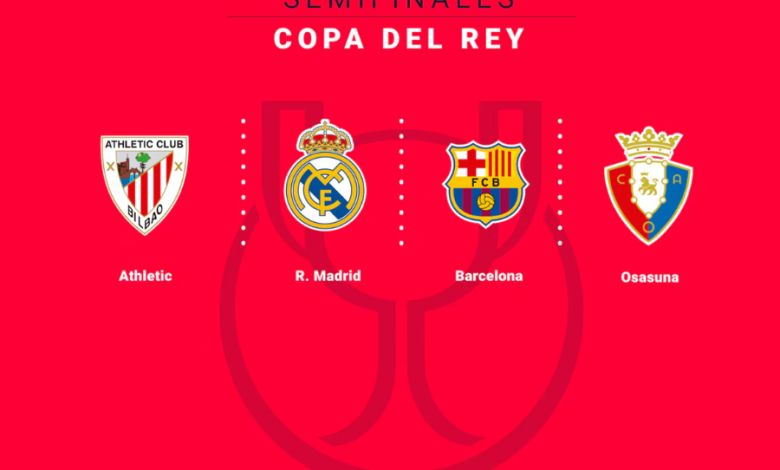
Cup football in Spain has always created tension between short‑term glory and long‑term league stability, and the 2024/25 season is no exception for anyone betting on La Liga. The Copa del Rey’s knockout nature, compressed calendar, and overlap with European competitions make it a key variable in whether a team sustains or loses domestic form.
Why Cup Competitions Distort La Liga Performance
Copa del Rey ties add extra high-intensity minutes into already crowded weeks, forcing coaches to trade off physical freshness against squad rhythm. When clubs like Barcelona and Real Madrid chase trophies on three fronts, league fixtures arrive with players carrying accumulated fatigue, increasing the probability of dropped points even against weaker opponents.
The single‑leg early rounds and later two‑legged ties compress stress into short bursts, which can cause sharp swings in form rather than gradual decline. Bettors who ignore this distortion risk overrating “big names” whose underlying performance level has temporarily dropped due to travel, emotional load, and recovery limitations.
Fixture Congestion in La Liga 2024/25
The 2024/25 La Liga calendar started in mid‑August and runs deep into May, with Copa del Rey rounds and European ties layered on top of regular matchdays. In the spring, April and early May bring a concentration of decisive league clashes, Champions League knockout games, and Copa del Rey semi‑finals, leaving top clubs playing roughly every three days.
This pattern has concrete implications: Barcelona and Real Madrid juggle Champions League, domestic cup, and league fixtures, while Atlético Madrid in some periods benefits from a lighter European load and relatively clearer schedule. As congestion peaks, historical data on late-season performance suggests that teams typically drop multiple points in the final matchdays, aligning with the intuitive idea that cumulative fatigue and pressure eventually erode consistency.
Fatigue, Rotation, and Betting Edges
Player fatigue reduces sprint frequency, decision speed, and pressing intensity, which in turn alters both result probabilities and goal totals. Coaches respond by rotating line‑ups, resting stars, or changing systems; while this preserves fitness, it often disrupts automatisms and lowers performance temporarily, especially in defensive organization.
From a betting perspective, this dynamic creates windows where mid‑table or well‑rested sides can outperform market expectations against elite clubs coming off a demanding cup tie. Data-driven approaches that track minutes played, recovery days, and travel can quantify these edges more reliably than subjective impressions alone, particularly when applied systematically across a season.
Mechanisms Linking Cup Schedules to League Outcomes
The link between cup participation and league form rests on a chain of small but compounding mechanisms. Additional matches raise total load, short recovery windows amplify fatigue effects, and tactical adjustments introduced for knockout ties can spill over into league games, sometimes improving resilience but often causing inconsistency during transitions in shape or personnel.
In parallel, psychological swings from dramatic cup wins or losses can influence confidence, risk-taking, and focus in the following league fixture. Bettors who track this chain—extra match, rotation choice, tactical tweak, emotional outcome—can form more accurate expectations than those only glancing at headline results.
Real-World Patterns from the 2024/25 Campaign
During 2024/25, top Spanish clubs have repeatedly faced sequences in which a crucial Copa del Rey tie sits between two important La Liga fixtures, with European games layered into the same stretch. In such periods, analysts have highlighted how Atlético’s relatively reduced European commitments, at certain stages, allowed them a stamina advantage over Barcelona and Real Madrid during the league run-in.
Requests from Barcelona to adjust fixtures because of congestion underline how seriously clubs themselves view the scheduling burden. When a coaching staff publicly complains about playing “every three days,” this signals that their internal models anticipate performance decline unless managed aggressively through rotation, which becomes a clear informational cue for bettors.
Using Advanced Metrics and Data-Driven Betting
Data-driven football betting increasingly incorporates metrics beyond basic league tables or goal counts, especially when evaluating teams involved in multiple competitions. Analysts track distance covered, intensity of presses, number of sprints, and cumulative minutes for key players to infer how likely a team is to sustain a high level in the next La Liga match.
Modern approaches also deploy machine learning or predictive models that integrate situational data—fixture congestion, travel, injuries, and recent cup exertions—when forecasting match outcomes. These models often identify value in underdogs meeting cup‑heavy favourites, or suggest adjusting expectations for goal totals when both sides arrive from energy‑sapping midweek ties.
Interpreting Odds Movements Around Cup Matches
Market odds embed collective expectations about how cup commitments will affect a team, but these expectations are not always accurate. Early lines sometimes underreact to the fatigue impact of a midweek Copa del Rey semi‑final, only adjusting once news about rotations or injuries becomes public and sharper bettors have already acted.
You can treat odds shifts before and after cup fixtures as signals: a late drift against a big club may reflect credible information about weakened line‑ups or reduced intensity, rather than just general sentiment. Observing when the market barely moves despite heavy workloads can indicate situations where the average bettor still underestimates the influence of congestion, creating potential value opportunities in side markets or alternative handicaps.
Evaluating Spanish Cup Impact for Users of UFABET
When bettors rely on a digital environment that presents Spanish league and cup matches in one continuous stream, the challenge becomes spotting where schedule context quietly alters true probabilities while the interface itself looks stable. In this setting, the appearance of a Copa del Rey semi‑final only a few days before a league game might not be obvious unless you consciously track dates, competition type, and squad news across multiple markets inside ufabet เข้าสู่ระบบ, and then adjust your stake sizing or market selection to reflect the likely dip in intensity or changes in line‑up.
Cup Impact on Broader European Scheduling and casino online Context
The influence of Copa del Rey fixtures reaches beyond Spain because clubs involved in both European tournaments and domestic cups contribute to congested midweek schedules that fill football menus across many digital gambling environments. In this wider ecosystem, anyone browsing a casino online section that also integrates sports events may encounter a dense cluster of Spanish matches without realizing that some of them stem from knockout ties while others are standard league fixtures, and failing to separate these contexts can lead to mispricing risk, particularly when marquee teams arrive with hidden fatigue while smaller clubs have rested through the week.
When the Concept Fails: Strong Squads and Schedule Luck
The idea that cup involvement automatically harms league form can fail in several circumstances, and bettors must recognise these exceptions. Deep squads with high‑quality backups can rotate heavily in Copa del Rey matches, preserving league performance while still advancing, neutralising much of the expected fatigue effect.
Schedule luck also matters: if a club’s post‑cup league fixtures are against relegation candidates or teams in poor form, the negative impact of congestion might be muted or temporarily hidden by the weakness of opposition. Additionally, emotional momentum from winning an important cup tie can sometimes sharpen focus in the next league match, creating short-term overperformance rather than decline.
Summary
For La Liga 2024/25, Copa del Rey fixtures act as a structural force shaping how reliably teams perform from week to week, especially among clubs fighting on multiple fronts. Extra knockout matches increase fatigue, encourage rotation, and amplify psychological swings, all of which introduce variance into league results that bettors must factor into their models.
This impact is strongest when congestion peaks around April and May and when squads lack depth or suffer clustered injuries, but it weakens for clubs with robust benches, favourable schedules, or effective load management. Bettors who systematically account for these patterns—rather than treating league form as independent of cup commitments—gain a more realistic picture of true team strength and a better foundation for data‑driven wagering decisions.