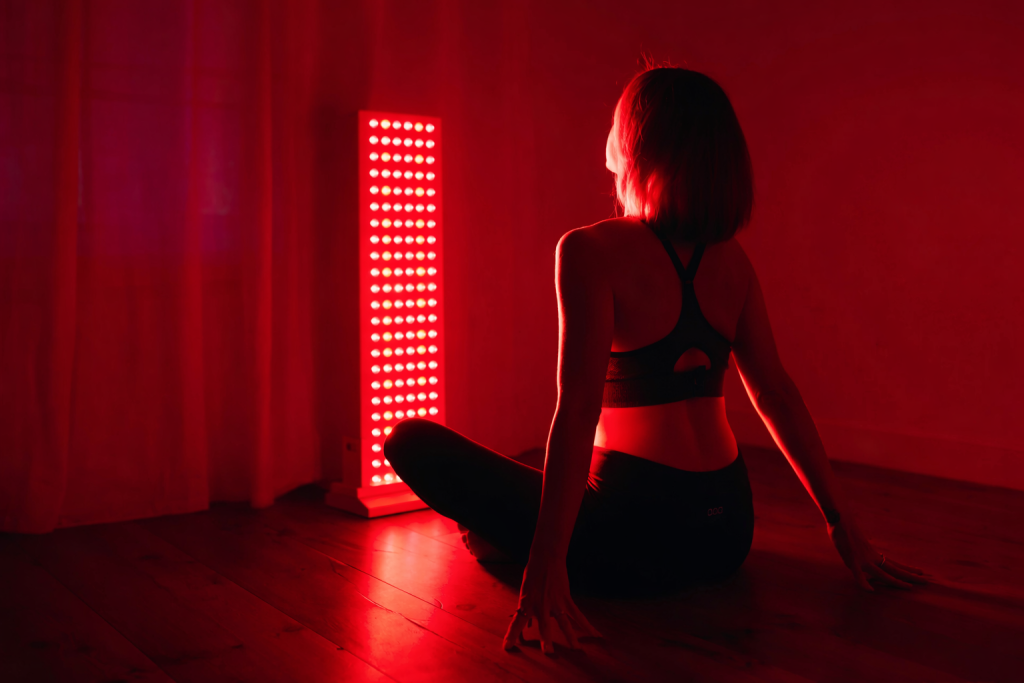
We’ve all seen the ads. A smiling person sits bathed in a bright, futuristic glow, looking as if they’ve just unlocked the secret to eternal happiness. Wellness influencers swear by it, claiming it cures everything from the winter blues to poor sleep. But as with any health trend that gains massive popularity on social media, it’s hard not to wonder: Is this actual science, or just really good marketing?
Light therapy is a legitimate therapeutic technique, but the line between medical reality and wellness hype often gets blurred. Before you invest in a device or build a new morning routine, it helps to understand what light can actually do for your brain—and what it can’t.
The Science: Why Light Matters
At its core, light therapy isn’t about “good vibes.” It is about biology. Our bodies run on a 24-hour internal clock known as the circadian rhythm. This rhythm dictates when we feel alert and when we feel sleepy, and it is heavily influenced by light exposure.
When light hits the retina in your eye, it sends signals to the hypothalamus, the part of the brain that regulates serotonin (the mood-boosting hormone) and melatonin (the sleep hormone).
Treating Seasonal Affective Disorder (SAD)
The most well-researched application of this science is for Seasonal Affective Disorder (SAD). As winter approaches and daylight hours shrink, many people experience a significant drop in mood and energy. Clinical studies have consistently shown that using bright artificial light in the morning can mimic the effects of sunlight, tricking the brain into reducing melatonin production and increasing alertness.
For people struggling with these seasonal shifts, Light Therapy Lamps can be a game-changer. They aren’t magic wands, but they are effective tools for realigning a biological clock that has drifted offbeat due to a lack of natural sun.
Separating Hype from Reality
While the science is solid for SAD and circadian rhythm disorders, the wellness industry has a habit of overpromising.
It’s Not a “Cure-All”
You might see claims suggesting that sitting in front of a bright light will instantly cure clinical depression or severe anxiety. While light therapy can be an excellent supplementary treatment for non-seasonal depression, it is rarely a standalone cure. Mental health is complex, involving genetics, environment, and brain chemistry. Light is powerful, but it isn’t a replacement for therapy or medication when those are needed.
Instant Results Are a Myth
Another common misconception is that one session will fix your sleep schedule. You cannot blast your face with light on Monday morning and expect to have a perfect circadian rhythm by Monday night. Like exercise, consistency is key. It often takes days or even weeks of regular use to feel a tangible shift in energy levels.
Not All Lamps Are Created Equal
This is perhaps the biggest trap for consumers. A standard desk lamp or a cheap ring light won’t give you the therapeutic benefits you need. Therapeutic efficacy depends on intensity (measured in lux). Light Therapy Lamps generally need to emit 10,000 lux to be effective for SAD. If a device doesn’t specify its lux output, it’s likely just a glorified reading light.
How to Use Light Therapy Safely
If you decide to try it, technique matters. Staring directly into a 10,000 lux bulb is not only uncomfortable; it can be damaging.
- Timing: The golden window is usually within the first hour of waking up. Using bright light therapy late in the evening can actually backfire, suppressing melatonin when you need it most and causing insomnia.
- Duration: Most experts recommend 20 to 30 minutes.
- Position: The light should be positioned at eye level or slightly above, off to the side (about 16 to 24 inches away). You should be able to see the light in your peripheral vision while you eat breakfast or read, but you shouldn’t look straight at it.
Precautions:
While generally safe, light therapy can cause headaches, eye strain, or jitteriness in some people. It can also trigger manic episodes in people with bipolar disorder. Always talk to a doctor before starting, especially if you have eye conditions or take medication that increases light sensitivity.
A Bright Idea, Used Wisely
Light therapy is more than just a passing wellness fad. The evidence supporting its impact on SAD and sleep patterns is robust. However, it is not a miracle cure for every mood struggle.
By understanding the science and managing your expectations, you can use Light Therapy Lamps to genuinely improve your well-being during the darker months. Just remember: the goal is to support your body’s natural rhythms, not to force them. If you suspect you have a mood disorder, the best first step is always a conversation with a healthcare professional, not a purchase button.